The Strait of Hormuz has emerged as a central flashpoint in mounting U.S.-Iran tensions as Washington combines military operations, economic sanctions, and diplomatic pressure over the strategically vital waterway through which roughly one-fifth of global crude oil passes.
The corridor separating Iran and Oman has long been a critical link in international energy supply chains. Recent military incidents near the strait have sent ripples through global markets, with shipping companies rerouting vessels and insurers raising premiums for the high-risk passage.
What Happened
Commercial shipping traffic through the Strait of Hormuz has plummeted to its lowest levels since May, according to maritime tracking data, following a series of naval incidents involving U.S. and Iranian forces. Average daily cargo transits have declined sharply as vessels avoid the area amid heightened military activity.
The deterioration reflects months of escalating tensions centered on Tehran’s leverage over the waterway. Iran, which borders the strait’s narrowest point, has used its geographic position as leverage in the broader confrontation with Washington, while the U.S. has sought to maintain unobstructed passage for commercial and military shipping.
Iran’s crude oil exports through the strait have been severely disrupted, with Iranian officials reporting roughly seven weeks of minimal meaningful crude shipments. The blockade, supported by U.S. naval operations, has strained Tehran’s access to foreign currency and contributed to shortages of imported goods domestically.
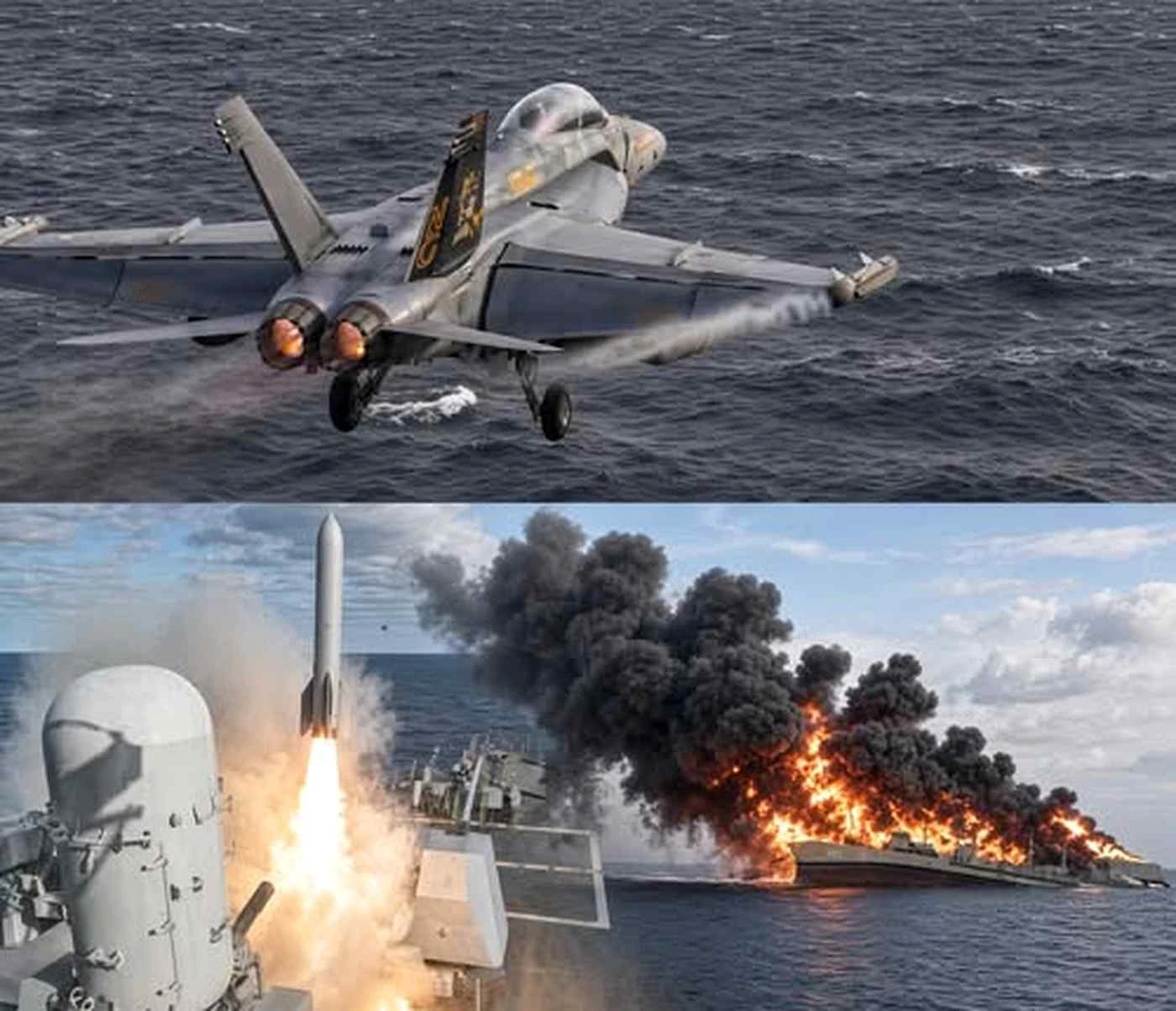
Military confrontations have intensified alongside the economic pressure. U.S. forces have conducted strikes against Iranian targets in the region, prompting retaliatory attacks from Iranian forces. The cycle of military action has raised safety concerns for international shipping and contributed to broader volatility in global energy markets.
The Reaction
Diplomatic channels remain open but have produced limited concrete progress. Iran and Oman have held discussions aimed at managing maritime traffic and potentially restoring predictable shipping patterns, though broader negotiations over Iran’s nuclear program and sanctions relief have stalled.
U.S. Energy Secretary Chris Wright indicated Sunday that a new comprehensive nuclear agreement appears unlikely under current conditions. The Trump administration has maintained that Iran must agree to stricter nuclear restrictions and limits on ballistic missile development before Washington would consider sanctions relief.
Iranian officials have acknowledged the mounting economic toll of the confrontation. Shortages of foreign currency, declining import levels, and rising consumer prices have prompted calls within Tehran for renewed diplomatic engagement, though the government has also signaled determination to resist external pressure.
The impact extends beyond bilateral U.S.-Iran relations. Global energy markets have absorbed uncertainty over the strait’s continued accessibility, with crude prices fluctuating in response to reports of maritime incidents. Shipping insurers have raised premiums for vessels transiting the passage, effectively raising costs for global energy consumers.
What This Means
The standoff over the Strait of Hormuz reflects deeper disagreements on nuclear policy, sanctions, and maritime security that remain unresolved. Any settlement would require Washington and Tehran to negotiate simultaneously on multiple fronts—from restrictions on Iran’s nuclear program to the future security arrangement for international shipping through the waterway.
The combination of military escalation, economic pressure, and diplomatic stalemate suggests the confrontation could persist beyond the near term. As tensions continue, the risk of further disruption to global energy supplies remains elevated, with potential ripple effects across markets dependent on stable energy pricing and reliable shipping infrastructure.



