President Donald Trump has issued live threats against news outlets over their coverage, prompting constitutional concerns about government power and press independence in a dispute that now involves regulatory action and pending legislation.
The moment drew sharp attention from journalists and legal experts alike. Trump has publicly warned that journalists and broadcasters could face consequences for what he characterized as inaccurate or unfair coverage, marking an escalation in tensions between the executive branch and the news media. The conflict raises fundamental questions about the limits of presidential authority and the protections that allow news organizations to operate independently of government control.
What Happened
In August, Trump called for NBC journalist Kristen Welker to be reported to the Federal Communications Commission, describing her characterization of his record on political endorsements as inaccurate. Trump suggested the FCC impose a “rebuke or punishment” in response. NBC defended Welker and its reporting, standing firm against the criticism.
The situation extended beyond a single exchange. ABC and Disney filed legal challenges against the FCC, contending that an unusually expedited review of licenses for eight Disney-owned ABC stations amounted to retaliation connected to the network’s editorial decisions and coverage. FCC Chairman Brendan Carr disputed that characterization, stating the agency’s review concerns broadcasters’ obligations to meet public-interest standards. The legal dispute remains unresolved.
Regulatory authority has limitations. The FCC itself has restricted power over broadcast content and generally states it cannot substitute its judgment for that of a broadcaster’s editorial choices due to First Amendment protections, according to published reporting.
The Reaction
Congressional response arrived within weeks. On September 16, the Senate Commerce Committee approved legislation aimed at preventing federal officials from pressuring private companies to suppress constitutionally protected speech. The measure passed 18-10 and would authorize individuals to sue federal employees who coerce companies into suppressing protected expression. The bill requires approval from the full Senate and House before becoming law. Lawmakers from both parties cited concerns about government pressure on media organizations and private platforms.
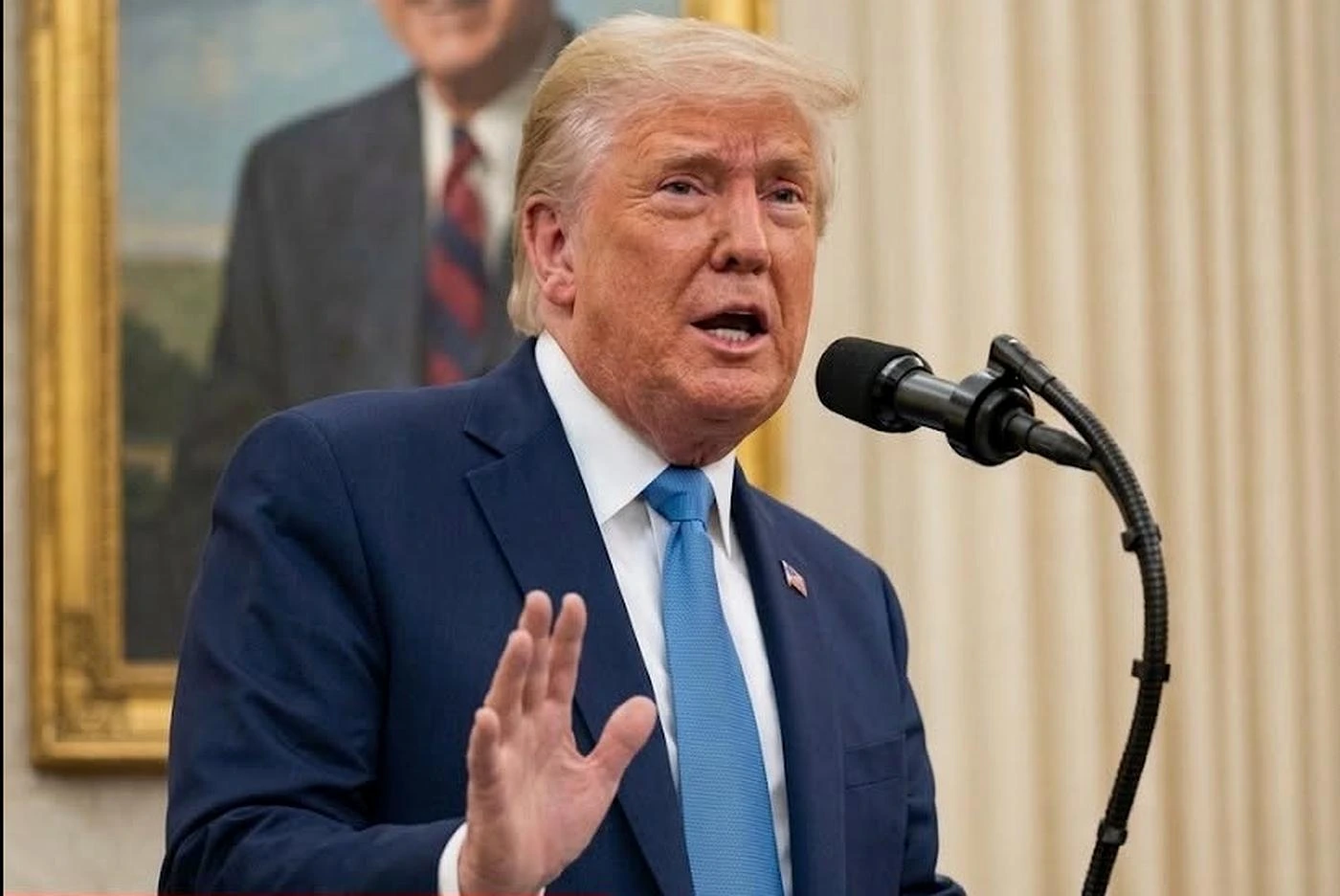
The legal and political environment has shifted. News organizations have faced mounting pressure to explain their reporting methods, sources, and editorial judgments in ways that extend beyond typical criticism. When government regulatory mechanisms become intertwined with disputes over journalism, the constitutional questions deepen significantly.
What This Means
The constitutional principle at stake centers on whether government can use its regulatory and licensing authority as leverage over news organizations. Presidents have historically criticized reporters and challenged stories, and that remains constitutionally protected speech. News organizations can and should face accountability for factual errors. However, when licensing decisions, regulatory actions, or access to officials becomes contingent on editorial choices, the dynamics change fundamentally.
News outlets operate in separate competitive markets and hold differing editorial perspectives, yet they share a common interest in reporting government activity without fear of retaliation. That collective interest extends to the public, which depends on access to multiple accounts and factual challenges presented through the courts and in public debate rather than through government suppression.
The First Amendment does not guarantee comfort between political leaders and journalists. Tensions between them remain inevitable. What the constitutional framework does require is transparency in government actions, public scrutiny of regulatory decisions, and access to competing evidence and arguments. When disputes arise, the public stake lies in seeing facts, legal reasoning, and claims clearly presented—without either government or media outlets claiming unquestioned authority over what Americans hear.
The ongoing legal cases and pending legislation will test whether existing constitutional protections can withstand renewed pressure, and whether Congress will establish clearer guardrails around federal agency actions toward news organizations.



