Republicans are deploying a record financial advantage in Georgia and across competitive Senate races as early voting data suggests the midterm battle remains undecided in a pivotal battleground state.
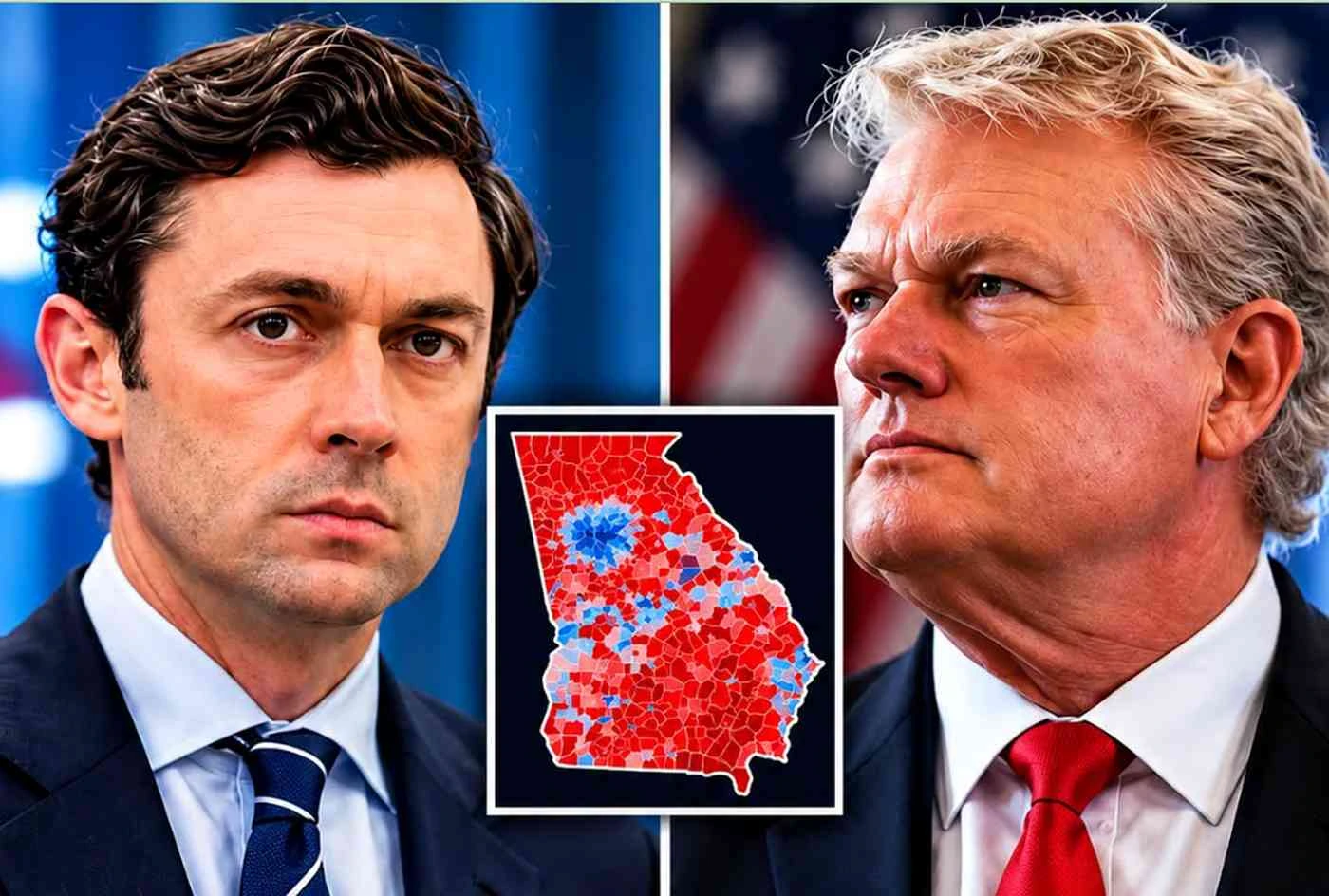
Early voting totals in Georgia now exceed 2.5 million ballots cast, with Democratic support maintaining a numerical cushion among early voters but within a margin that leaves Republicans convinced of a viable path to victory. The figures paint a picture of a contested political landscape heading into November, where both parties are mobilizing their strongest resources to sway the final outcome.
What Happened
Voting analysts tracking Georgia’s balloting patterns reported that Democrats held a modeled advantage of approximately 89,293 votes among early ballots, up from 56,316 the previous day. The breakdown showed Democrats capturing roughly 51.4 percent of early votes compared to Republicans at 47.8 percent—a stronger Democratic share than their performance in recent cycles.
The state recorded roughly 205,000 early votes in a single day, with nearly 97 percent cast in person. Analysts cautioned that party affiliation in early voting is estimated based on voter history patterns, since official party-based vote counts remain unavailable until election night.
Alongside the Georgia data, Republican-aligned political committees have amassed unprecedented cash reserves for the final campaign push. MAGA Inc., the primary super PAC supporting Republican efforts, retained approximately $164.3 million as of mid-October, even after transferring tens of millions to allied organizations.
Federal election filings documented that MAGA Inc. distributed $200 million to No Going Back PAC and $25 million to Safety & Affordability PAC since September began. Spending records indicated the committee had deployed nearly $277 million total since the month opened, with intentions to exceed $400 million in outlays by election day.
The Reaction
Republican leadership framed the financial firepower as essential to overcoming historical headwinds in midterm contests, when voter participation typically favors the party not holding the presidency. “The president is defiant, and he always is optimistic,” former White House Press Secretary Karoline Leavitt said in describing the campaign’s posture, noting that Republicans faced unfavorable historical patterns but remained committed to aggressive grassroots outreach.
Leavitt emphasized the campaign’s emphasis on contrasting visions, stating that Republican candidates emphasize “cutting taxes, securing the border, putting American citizens over illegal aliens” against what she characterized as Democratic positions. She highlighted the Republican advantage in available campaign funds, saying, “We have a huge cash advantage across the country. We are making sure voters understand what’s at stake in this election.”
The National Republican Congressional Committee reported raising $50 million during the third quarter, entering October with $61 million available for House races. September fundraising for that committee totaled $28.5 million, including a $14 million transfer from the Republican National Committee dedicated to House defense efforts.
What This Means
The convergence of competitive early voting data and record Republican spending creates an environment where both parties view Georgia and similar contested states as genuinely contested territory. The early voting margin between Democratic and Republican voters remains narrow enough that television advertising, direct mail, and field operations could measurably shift the outcome in the final weeks before election day.
For Republicans, the financial resources provide capacity for sustained outreach during a period when voter engagement intensifies. For Democrats, the data suggests they cannot depend solely on their historical advantages in early voting, requiring similar intensity in turnout mobilization and persuasion efforts. The race illustrates how modern political campaigns rely equally on both early voting momentum and late-stage spending power to determine competitive outcomes.



