A federal appeals court panel in Washington ruled Monday that the Trump administration’s restrictive transgender military policy violates constitutional protections, blocking the Pentagon from discharging current transgender service members while leaving a ban on most new recruits in place.
The 2-1 decision by the U.S. Court of Appeals for the D.C. Circuit centers on Executive Order 14183, issued in January 2025, and the Pentagon’s implementing guidelines—referred to as the “Hegseth Policy” after Secretary of Defense Pete Hegseth. Under these rules, individuals with a history or diagnosis of gender dysphoria, or those identifying as transgender, face near-total disqualification from military service except in rare cases with waivers.
What Happened
The majority opinion, written by Circuit Judge Robert L. Wilkins, determined that the policy violates equal protection guarantees under the Fifth Amendment. “The record shows that the purpose of the Hegseth Policy is to target applicants and servicemembers who express what the Administration believes is a ‘false gender identity,'” the court stated, adding that some disqualifications “are completely unexplained and have no reasonable justification.”
The case, Talbott v. United States, was filed by active-duty transgender service members and military applicants who contended the policy arbitrarily strips them of employment and service opportunities based on identity alone. The court found that the administration provided no evidence-based rationale for its sweeping restrictions, noting that transgender troops had served openly and successfully under previous policies without documented harm to unit cohesion, readiness, or deployability.
The ruling blocks the Pentagon from removing currently serving transgender personnel. However, the divided panel left in place—for now—the restrictions preventing most new transgender recruits from enlisting, allowing the broader legal dispute to continue.
The Reaction
The Department of Defense vigorously defended the policy, arguing it is necessary to maintain medical standards, unit cohesion, and deployment readiness. Government lawyers contended that military service is a privilege rather than a right, and that judges should defer to executive and military leadership on service eligibility. They compared the restrictions to exclusions for individuals with chronic medical conditions such as diabetes or heart disease.
Secretary Hegseth, a vocal proponent of the ban, has characterized it as essential to returning the armed forces to a singular focus on combat effectiveness. Following Monday’s decision, he indicated on social media that the administration would continue fighting the ruling, suggesting an appeal to the Supreme Court.
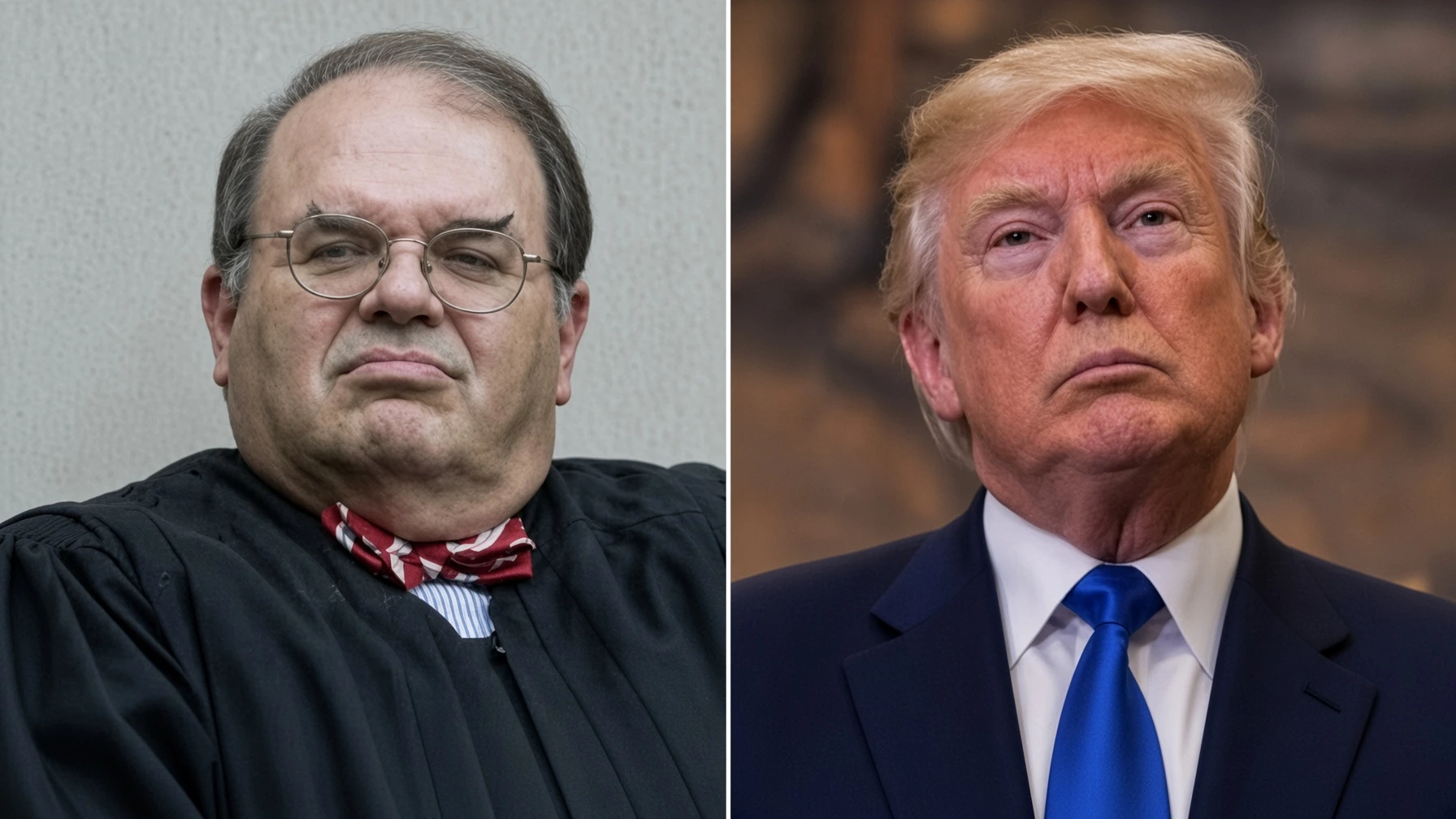
The dissenting judge warned that the majority overstepped judicial authority by second-guessing military commanders and the executive branch during a period of heightened global tensions. The dissent argued that courts must grant utmost deference to the President and Pentagon on national defense matters, noting that military service standards exclude countless Americans annually for physical, psychological, and medical reasons.
Transgender advocacy organizations, including GLAD Law and the National Center for Lesbian Rights, celebrated the ruling as significant. However, they acknowledged the fight continues, as the decision only directly protects the named plaintiffs and current service members while recruitment restrictions remain in effect. These groups are pursuing class-action certification that would extend protections to all transgender personnel and eventually overturn the enlistment ban.
What This Means
The decision offers immediate protection to thousands of transgender troops already in uniform, shielding them from discharge. Yet the court’s decision to leave the recruitment ban in place leaves the military’s future standards of service as a contested question likely headed for the Supreme Court.
The administration is expected to seek a full “en banc” review by the entire D.C. Circuit or file a direct appeal to the nation’s highest court. The outcome will shape military staffing policies and set legal precedent for how federal courts balance executive authority over military matters against constitutional equal protection principles. The Supreme Court’s eventual decision could determine whether the ban stands, falls, or survives in modified form.



