The House passed sweeping veterans compensation legislation Wednesday through a voice vote, advancing benefits increases for approximately 58,000 combat-injured military retirees while sparking debate over its financing provisions.
The measure addresses a longstanding disparity in the military retirement system. Currently, many veterans medically retired before completing 20 years of service must surrender part of their military retirement payments when they receive disability compensation from the Department of Veterans Affairs.
The legislation would allow eligible combat-injured retirees to receive both payments without that reduction. According to congressional estimates, affected veterans would receive approximately $1,450 more per month on average, a change that supporters say could meaningfully assist military families managing medical expenses, housing costs, and financial uncertainty.
What Happened
Representative Addison McDowell, a North Carolina Republican presiding over proceedings, called for a voice vote on passage Wednesday. No member successfully requested a recorded vote before McDowell declared the legislation had passed, a procedural move that generated immediate controversy.
House Veterans Affairs Committee Chairman Mike Bost supported the legislation and defended the outcome. “If nobody calls for the vote, it’s passed, which is a good thing,” said Steve Scalise, the House majority leader, emphasizing that lawmakers opposing the measure could explain their objections publicly rather than obstructing its advancement.
Republicans proposed adjusting future disability ratings for tinnitus and sleep apnea to offset some of the additional costs. Veterans already receiving disability compensation for those conditions would not lose existing payments under the proposed revisions, though future claimants could face different eligibility calculations and lower awards.
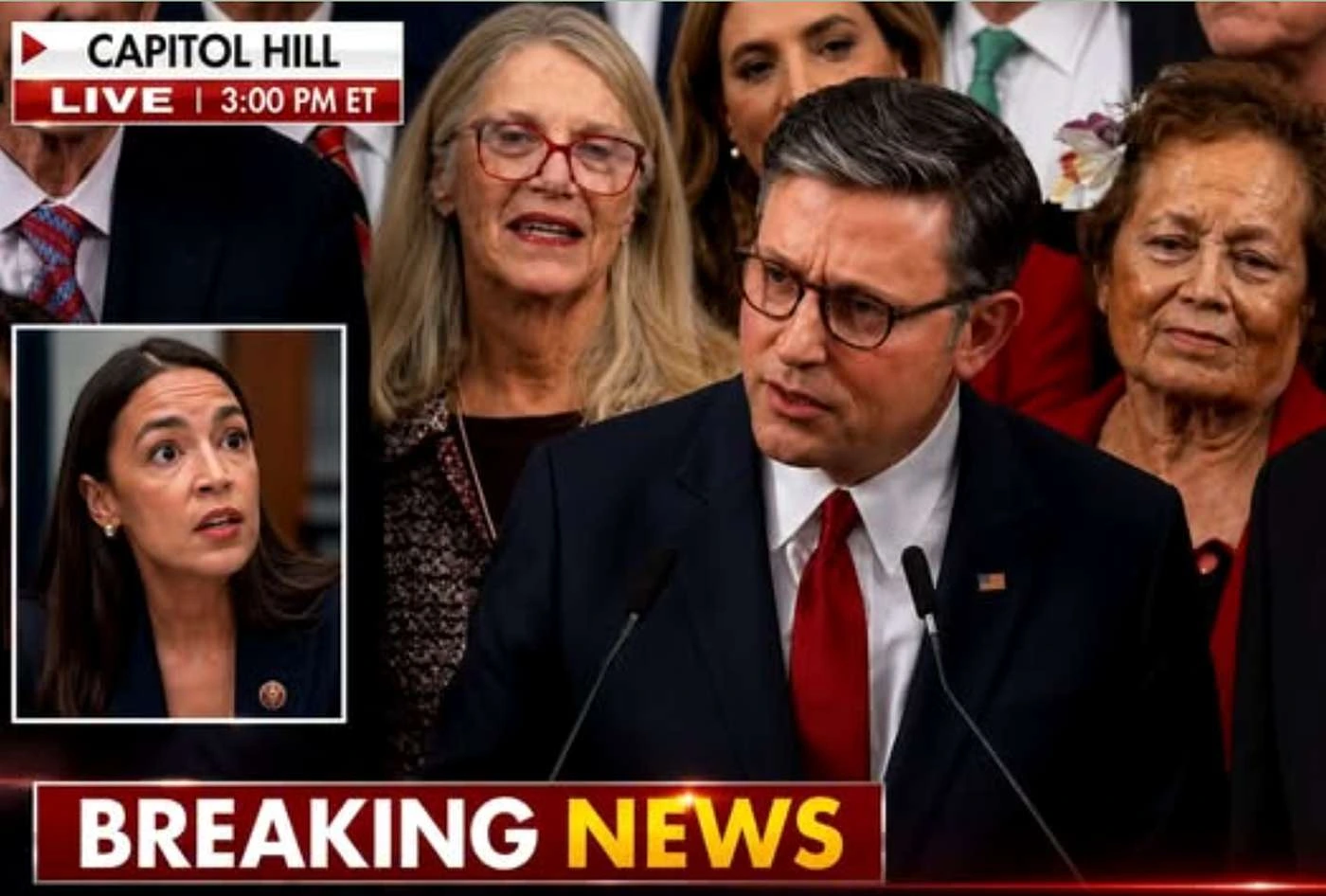
The Reaction
Democratic Representative Mark Takano disputed the procedure and suggested his colleagues lacked a meaningful opportunity to demand recorded voting. He predicted the measure would struggle in the Senate, where its funding provisions face further scrutiny.
The Veterans of Foreign Wars also objected strongly to the absence of a recorded vote. National Commander Cory Geisler argued that lawmakers should publicly account for decisions affecting veterans’ benefits, stating that transparency in such matters is essential.
Democrats criticized the approach of financing benefits for one group through reductions affecting another. Some lawmakers are advancing a competing measure that would expand benefits without comparable spending offsets, with supporters using a discharge petition to bring that alternative toward a House vote.
What This Means
The competing proposals demonstrate bipartisan interest in expanding veterans compensation alongside sharp disagreements about federal budgeting. Republicans favoring offsets argue that Congress must consider how permanent benefit expansions affect taxpayers and future obligations, while critics respond that shifting costs onto future disabled veterans undermines the legislation’s purpose.
The Senate could consider either House proposal, negotiate changes, or decline to advance either measure. Until legislation clears both chambers and receives presidential approval, existing compensation rules remain unchanged.
For Republican lawmakers, the passage represents progress toward correcting a compensation disparity recognized across both political parties. The coming Senate debate will determine whether lawmakers accept the financing mechanism or pursue alternative approaches to addressing the needs of combat-injured military retirees.



