The Trump administration is working to finalize a diplomatic framework with Iran to resolve the ongoing conflict, with talks progressing through Qatar as U.S. military operations continue in the Persian Gulf region.
Secretary of State Marco Rubio confirmed that American and Iranian representatives are engaged in active discussions, with negotiators refining the language of a preliminary agreement. The administration’s stated priority centers on reopening the Strait of Hormuz, one of the world’s most critical energy transport routes.
During remarks in India, Rubio said the waterway “has to be open” and characterized its closure as “unlawful, illegal, unsustainable for the world, and unacceptable.” He noted that President Trump’s negotiating stance remains consistent: “a good deal or no deal,” while cautioning that finalizing the agreement would likely require additional time to resolve outstanding issues.
What Happened
U.S. Central Command reported that American forces conducted military strikes in southern Iran, targeting what military officials described as missile facilities and Iranian naval vessels. The operation, characterized by the Pentagon as “self-defense,” targeted locations near the Iranian naval hub of Bandar Abbas in the Gulf of Oman and Arabian Sea.
According to military officials, U.S. aircraft and naval forces faced threats from Iranian surface-to-air missile systems in the region. The strikes were designed to protect American personnel and assets while maintaining the broader framework that has enabled ongoing diplomatic talks between the two nations.
Despite the military escalation, negotiating teams continued their work in Qatar. Iranian Foreign Ministry spokesperson Esmaeil Baqaei said Tehran and Washington had found areas of shared understanding on several matters but stressed that a comprehensive agreement had not yet materialized. Baqaei also accused the United States of adjusting its negotiating positions during the process.
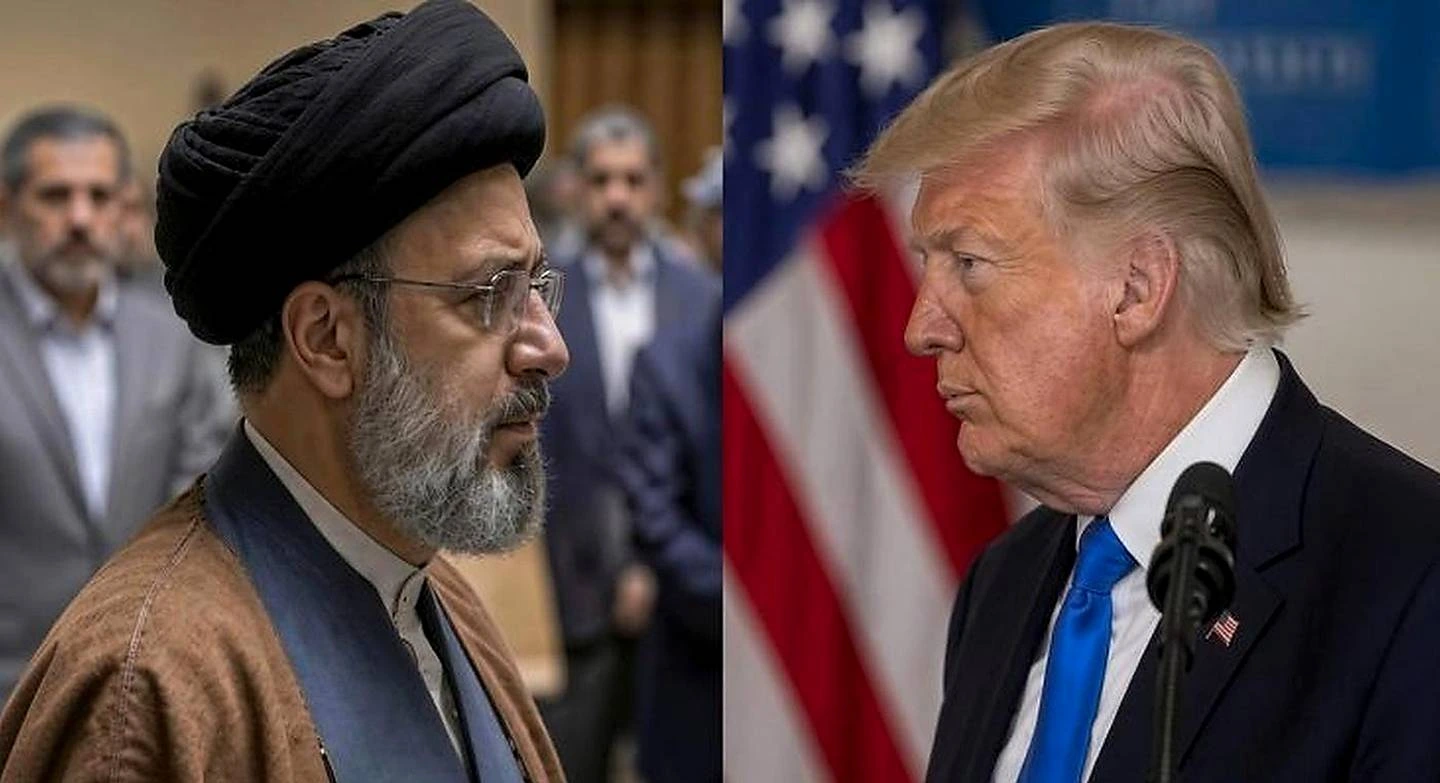
The Reaction
President Trump characterized any potential future agreement as one that would be “good and proper,” while renewing his criticism of the 2015 nuclear accord negotiated under the Obama administration. Trump argued that the previous deal provided Iran with economic benefits without establishing permanent safeguards against Tehran’s pursuit of nuclear weapons capability.
Senior U.S. officials indicated that the proposed framework would require Iran to dismantle its stockpile of highly enriched uranium, restore access to the Strait of Hormuz, and accept substantial restrictions on future uranium enrichment. In exchange, the United States would lift its naval blockade and implement a gradual reduction of economic sanctions over an agreed timeline.
Administration officials said major political issues have largely been resolved in principle, though technical implementation details, verification procedures, and enforcement mechanisms remain subjects of active negotiation. Washington’s core objective centers on securing a long-term and verifiable agreement that prevents Iran from exceeding negotiated nuclear limits, with robust enforcement procedures viewed as essential to any final deal.
What This Means
The administration believes that recent military operations have strengthened Iran’s incentive to negotiate seriously. If completed, the proposed agreement would reportedly impose stricter controls on Iran’s nuclear program than the 2015 accord, reflecting the Trump administration’s stated commitment to a broader and more enforceable settlement.
The outcome of these negotiations carries significant implications for regional stability, global energy markets, and the broader architecture of U.S. security commitments in the Middle East. How negotiators resolve remaining technical questions in the coming weeks will likely determine whether diplomatic progress translates into a final, durable agreement.



