A CNN panel erupted into sharp disagreement over immigration enforcement policy after host Abby Phillip discussed the death of Pierre Damas Bel, a 20-year-old Haitian student who was struck by a tractor-trailer on an Ohio interstate on August 31, with his family believing distress from losing temporary protected status contributed to his death.
Bel’s family has said his emotional deterioration followed his loss of Temporary Protected Status and the placement of an electronic ankle monitor by federal immigration authorities. Ohio authorities said the circumstances of his death remained under investigation, while the Department of Homeland Security declined to speculate about the cause.
What Happened
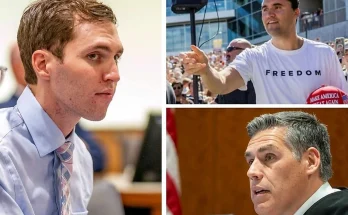
The discussion on CNN NewsNight quickly shifted from Bel’s individual case into a broader confrontation over immigration policy. Federalist reporter Brianna Lyman sparred with PoliticsGirl host Leigh McGowan and Atlantic contributor Jemele Hill, while Phillip worked to maintain focus on the facts of the case.
Bel had arrived in the United States in 2024 through the Biden administration’s CBP One process and subsequently received Temporary Protected Status with a pending asylum claim. When the Trump administration moved to terminate TPS protections for Haitians and the Supreme Court allowed that decision to proceed, Bel was summoned to an Immigration and Customs Enforcement office and fitted with an electronic monitoring device.
Bel’s father told The Washington Post that the device left his son feeling humiliated and stigmatized. “He felt like he was treated like an animal,” Pierres Ronal Bel said. The young man had written publicly about the monitor before his death, expressing that he had come to the United States to pursue education rather than commit crimes and describing the experience as deeply humiliating.
The Reaction
When Phillip summarized the family’s account for the panel, she emphasized she was describing what relatives believed rather than presenting the ankle monitor as a confirmed cause of death. Lyman immediately challenged the framing, saying “temporary does mean temporary” and noting that Bel could ultimately have been ordered to leave the United States.
Lyman then introduced a separate case, pointing to the death of 33-year-old Brianna Connolly in Massachusetts, who was found dead August 27. Prosecutors have accused 43-year-old Flavio Alcantara Dias, a Brazilian national who entered the country illegally in 2019, of strangling her. “I think it’s kind of insulting that we’re talking about this immigrant instead of Brianna Connolly from Massachusetts who was strangled last week by an illegal alien,” Lyman said.
McGowan and Hill objected strongly to the comparison and the tone of Lyman’s remarks. The exchange intensified as Lyman argued that Bel’s death should not automatically be blamed on government immigration policies and questioned his decision to enter interstate traffic. McGowan challenged Lyman directly: “Do you hear your voice?” She later accused Lyman of sounding “like an automaton” while discussing the death of a young man.
Hill contended that being required to wear an ankle monitor could reasonably be experienced as humiliating, particularly for a 20-year-old who had not been accused of a crime. Lyman rejected the suggestion that immigration law enforcement itself should be characterized as humiliating and pointed out that Bel could have voluntarily departed through the federal government’s voluntary-departure program, which offers government-paid travel and financial assistance to eligible migrants.
What This Means
Phillip eventually intervened to separate two distinct issues that had become intertwined during the debate: the enforcement of immigration laws and violent crimes committed by individual immigrants. “Every person should be treated individually, not as a group, as if they are all culpable for everything that somebody else in their group has done,” Phillip said.
Lyman responded that people unlawfully present in the United States shared responsibility for violating immigration law. The exchange underscored the complexity of Bel’s situation—he had entered through an authorized federal process, received lawful protection status, yet later faced enforcement action following a policy change.
DHS said after the discussion that no one was required to remain in the United States while wearing an electronic monitor and reiterated that voluntary departure represented an alternative. The agency also stressed it would not speculate about Bel’s cause of death while Ohio authorities continued their investigation.
The panel discussion reflected broader tensions in immigration policy debates, where individual cases and systemic enforcement questions often collide. Questions about how immigration law is applied, what alternatives exist for those facing removal, and how individual responsibility should factor into policy design remain points of significant disagreement among policymakers and commentators.