Four workers died in an early morning fire at a biscuit manufacturing facility near Trikala, Greece, on Tuesday, with investigators working to determine the cause of the blaze that erupted during the overnight shift.
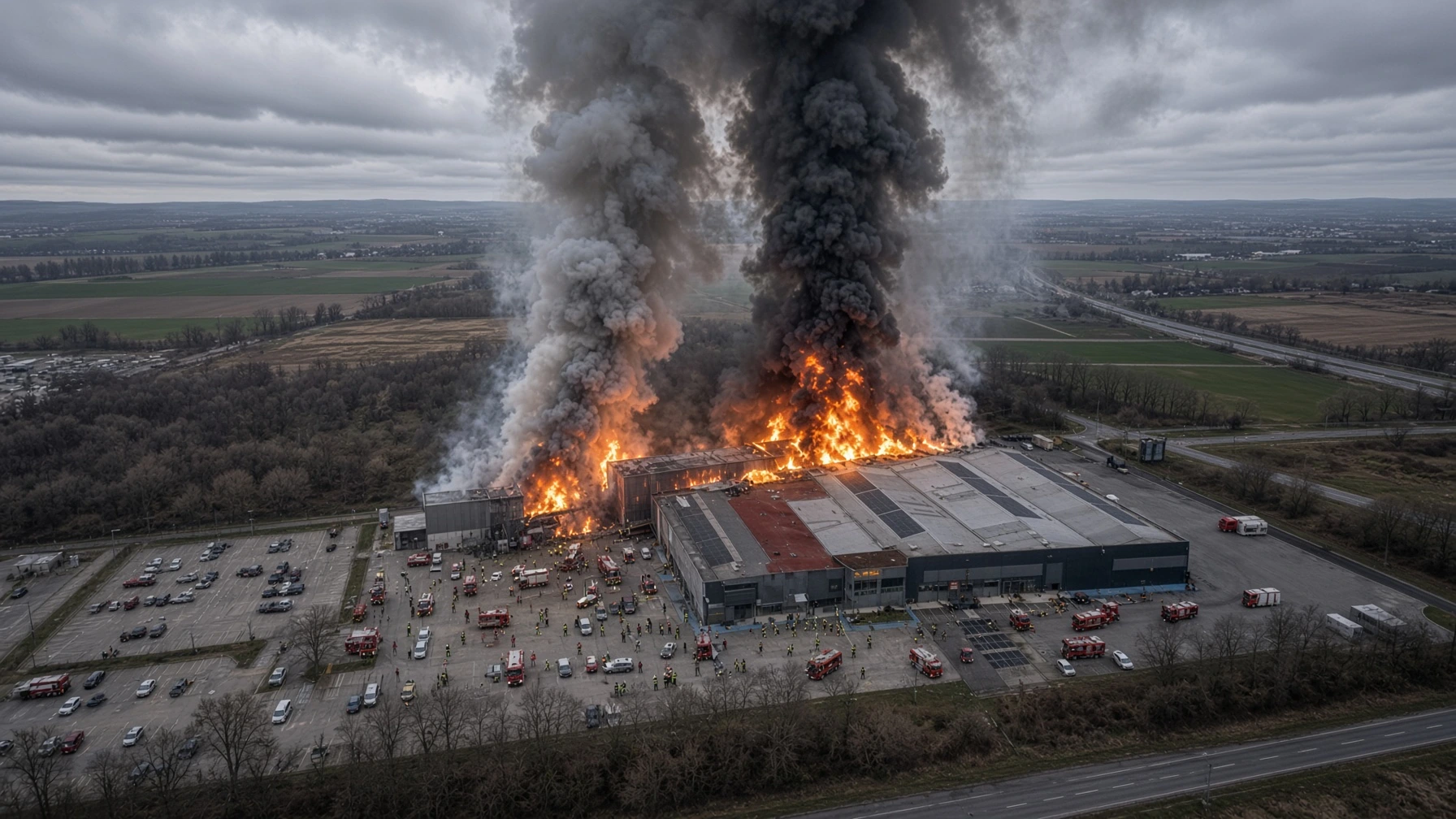
The fire broke out around 4 a.m. at the Violanta biscuit factory, located approximately 200 miles north of Athens. Thirteen workers were present at the facility when flames spread across sections of the factory roof.
What Happened
Eight workers evacuated safely from the facility. Four bodies were recovered after firefighters gained access to the building. One worker was initially reported missing, though search operations remained active as of Tuesday afternoon.
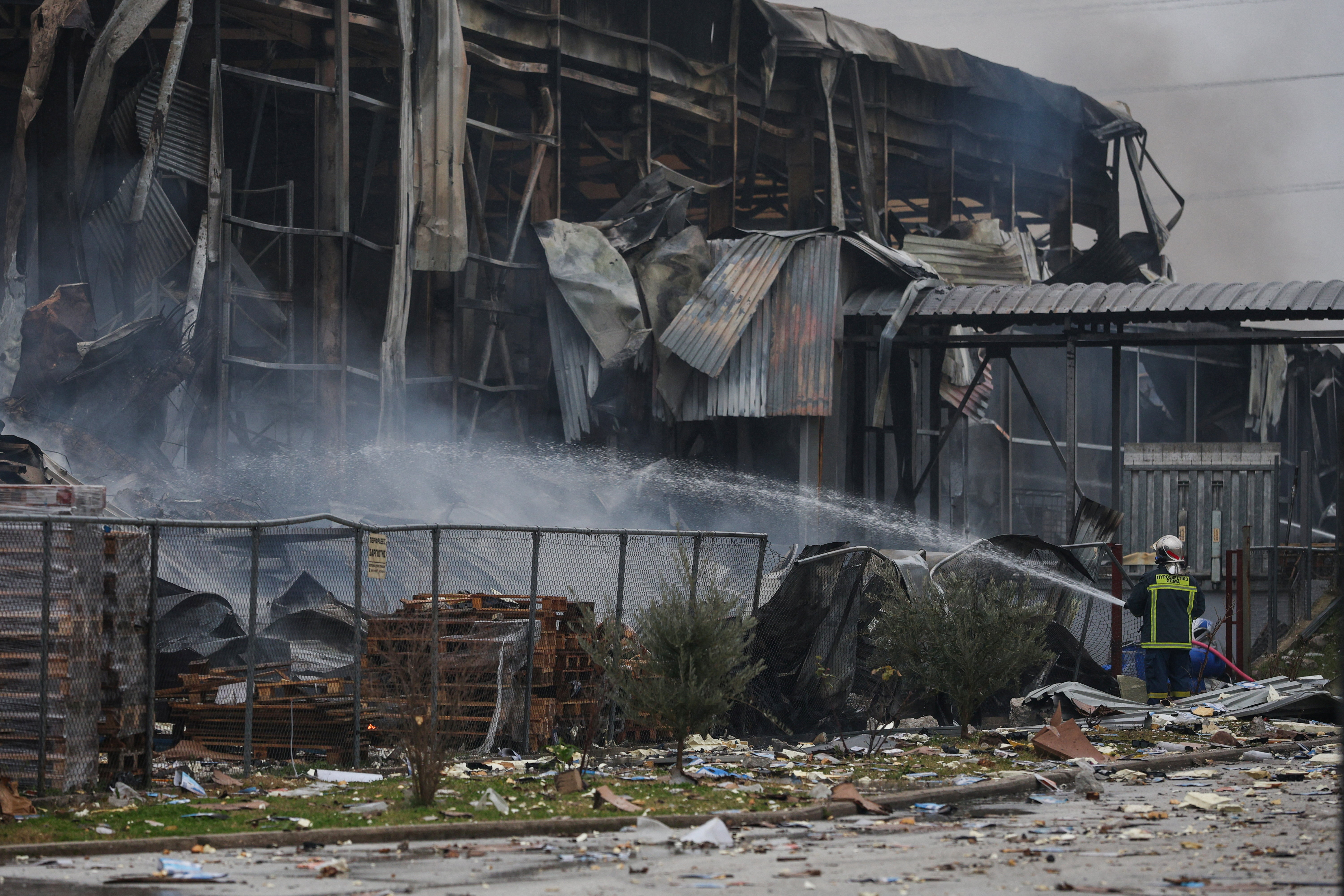
The Hellenic Fire Service deployed approximately 40 firefighters and 15 vehicles to the scene. Thick smoke spread across the surrounding area, with flames visible along multiple sections of the factory roof.

Seven people, including one firefighter, were transported to nearby hospitals for evaluation and treatment. Authorities have not released detailed information about the current conditions of those hospitalized.
Greek officials have not yet determined the cause of the fire. Early witness accounts described hearing a loud sound before the flames erupted, though authorities have not confirmed whether an explosion preceded the blaze or resulted from it.
The Reaction
Violanta issued a statement acknowledging the incident and confirming that the cause remains under investigation. “Our immediate priority is supporting our employees and their families,” company representatives said, adding that they are working closely with the fire department and other competent authorities to provide assistance.
Local officials in Trikala expressed condolences to victims’ families and acknowledged the emotional toll on coworkers and residents. The industrial facility represents a significant local employer in the region.

Authorities have cautioned against speculation and urged the public to rely on official announcements rather than unverified reports on social media. Investigators are expected to examine electrical systems, machinery, and stored materials as part of their assessment, while also reviewing surveillance footage and maintenance records.
What This Means
Industrial food manufacturing facilities typically contain automated machinery, ovens, and storage areas that can present fire hazards. While modern facilities are equipped with fire suppression systems, industrial settings still carry risks due to heat-generating equipment and electrical infrastructure.

Greece operates under European Union workplace safety directives designed to protect employees in industrial environments. These regulations require companies to maintain fire suppression systems, conduct regular inspections, and provide employee training on emergency procedures. The fact that eight workers evacuated safely suggests that some emergency protocols were successfully implemented during the incident.
Municipal authorities are expected to coordinate with regional services to provide support resources to those impacted by the incident. The investigation may ultimately reveal whether preventive maintenance, equipment failure, or other factors contributed to the blaze, potentially informing safety measures across similar industrial operations in the region.



