A cascading series of disclosures detailing persistent connections between prominent political figures and controversial associates has ignited a broader reckoning across Washington, exposing systemic vulnerabilities in institutional oversight and deepening public skepticism over how power and access are negotiated behind closed doors.
What began as isolated inquiries into specific private meetings, financial contributions, and post-conviction associations has evolved into a widespread examination of elite political networks. The controversy transcends traditional partisan divides, raising fundamental questions about institutional integrity and the influence of wealthy donors on party leadership.
What Happened
At the center of the controversy is a documented pattern of interactions between senior political figures and individuals convicted of serious financial crimes. Recent investigative reports reveal private meetings, campaign events, and financial contributions that continued well after the associates’ legal convictions became public knowledge.
The disclosures show a stark contrast between public statements demanding strict ethical accountability and the private conduct of those same leaders. Internal oversight mechanisms failed to restrict access for compromised individuals, allowing high-level engagement to proceed unchecked until external reporting forced public disclosure.
Records indicate that proximity to power often creates informal immunity, where financial leverage and longstanding personal relationships outweigh standard vetting procedures. Ethics experts argue the pattern points to structural failure in how political institutions monitor influence and enforce accountability standards.
The Reaction
The political fallout extends beyond individual reputations. Political careers built on championing institutional ethics and corporate accountability now face significant credibility deficits. When leaders who aggressively prosecute ethical lapses in opponents are found operating under different standards, the resulting cynicism undermines broader faith in democratic governance.
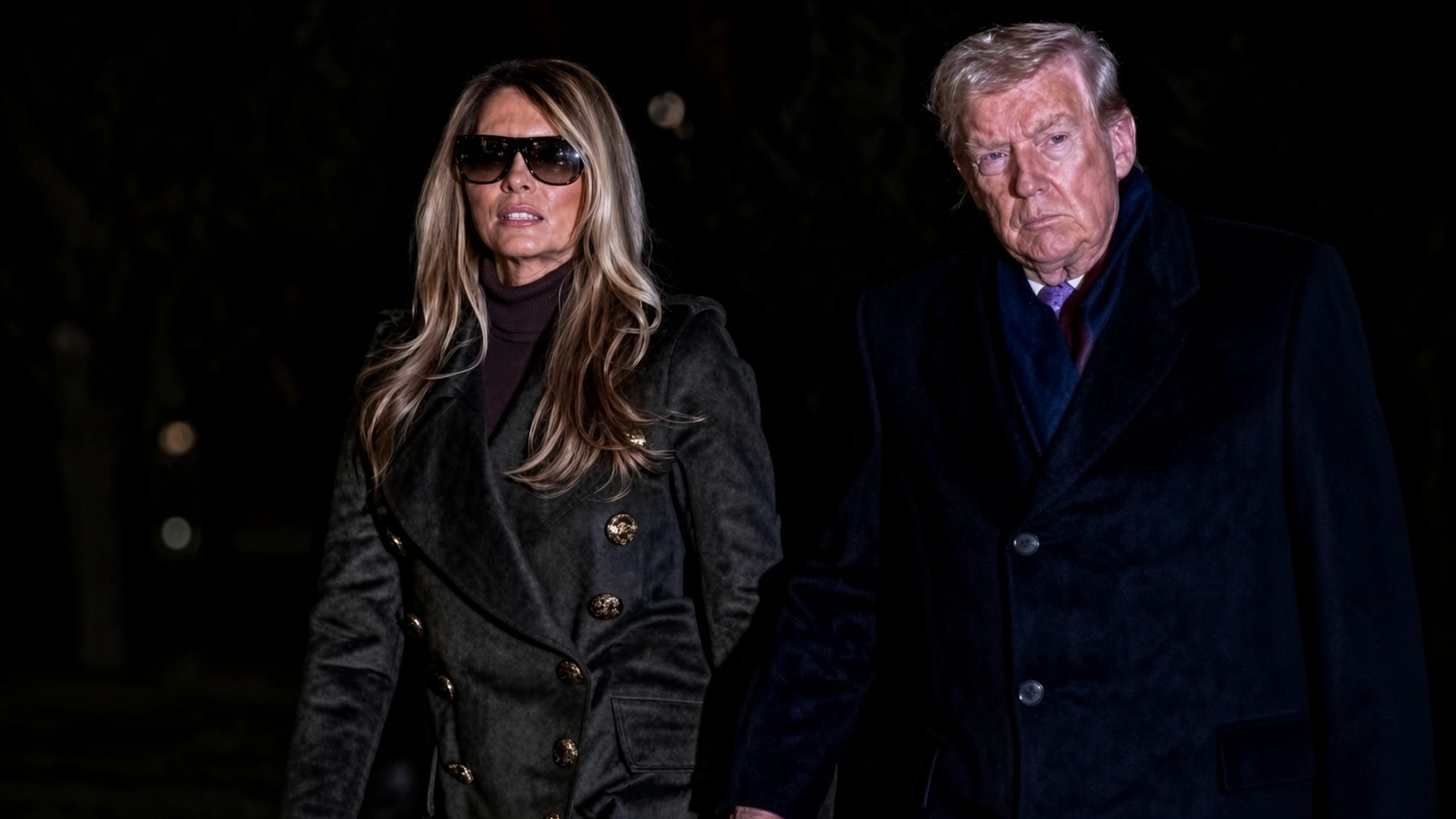
“The core issue is not just the initial bad judgment of maintaining these connections, but the systemic failure of political institutions to self-correct,” said a veteran Washington ethics analyst. “When rules are applied selectively depending on party affiliation or senior status, the public legitimately concludes that the system is rigged to protect the powerful.”
Congressional backbenchers and outside advocacy groups have intensified pressure on party leadership to address not just individual cases but underlying institutional failures. The controversy has forced uncomfortable conversations about campaign finance screening, visitor log transparency, and donor vetting criteria.
What This Means
Focus has shifted from retroactive damage control to structural reform. Bipartisan groups are now calling for mandatory, independent background reviews before individuals can access senior policy directors and committee leadership. Reformers are pressing for immediate public notification when campaign committees receive contributions from individuals under federal indictment or conviction.
Critics argue that internal ethics panels, historically dominated by sitting politicians, must grant greater investigative autonomy to nonpartisan inspectors general to eliminate conflicts of interest. The ultimate impact will depend on whether key institutions choose comprehensive transparency over defensive maneuvering.
As congressional committees weigh potential inquiries and federal agencies face calls for regulatory updates, the precedent established in coming months will likely reshape ethical expectations for the political establishment. The question now centers on whether these disclosures catalyze genuine institutional change or fade as another cycle of temporary outrage.



