A Manhattan federal judge dismissed journalist Michael Wolff’s preemptive lawsuit against First Lady Melania Trump on Wednesday, rejecting his bid to block her from pursuing a $1 billion defamation case over statements he made linking her to Jeffrey Epstein.
Judge Mary Kay Vyskocil ruled that Wolff’s October filing in state court—which sought to prevent Trump from suing him—represented an improper use of the legal system. The dismissal clears the way for Trump’s threatened $1 billion claim against the author to move forward in court.
What Happened
Vyskocil, a Trump appointee, called Wolff’s filing a “contorted” attempt at legal maneuvering and declined to oversee what she characterized as “an abusively presented spat.” She noted, however, that both parties have legitimate grievances at stake. “It’s an inappropriate level of tactical gamesmanship,” the judge said from the bench.
The sequence of events began last year when Trump’s legal team sent Wolff a cease-and-desist letter demanding he retract statements about Trump’s alleged connection to Epstein and delete related material. The letter warned that without compliance, Trump would “have no alternative” but to pursue a defamation lawsuit. Wolff responded by filing suit in state court seeking a declaration that his statements were protected speech and attempting to establish that Trump’s threats of litigation constituted an unlawful attempt to silence him.
Trump’s attorney, Alejandro Brito, moved the case to federal court, where Vyskocil found that while the court had jurisdiction, she would exercise what courts call “abstention”—declining to hear the case and returning it to state court, where defamation disputes typically unfold.
The Reaction
A spokesperson for Melania Trump said the First Lady “is proud to continue standing up to, and fighting against, those who spread malicious and defamatory falsehoods as they desperately try to get undeserved attention and money from their unlawful conduct.”
In his lawsuit, Wolff argued that certain statements attributed to him were taken out of context or constituted protected opinion. He claimed he never accused Trump of involvement in criminal conduct related to Epstein and noted that some of his remarks—including characterizing the Trump marriage as a “sham” or “trophy marriage”—represented fair commentary rather than factual assertions.
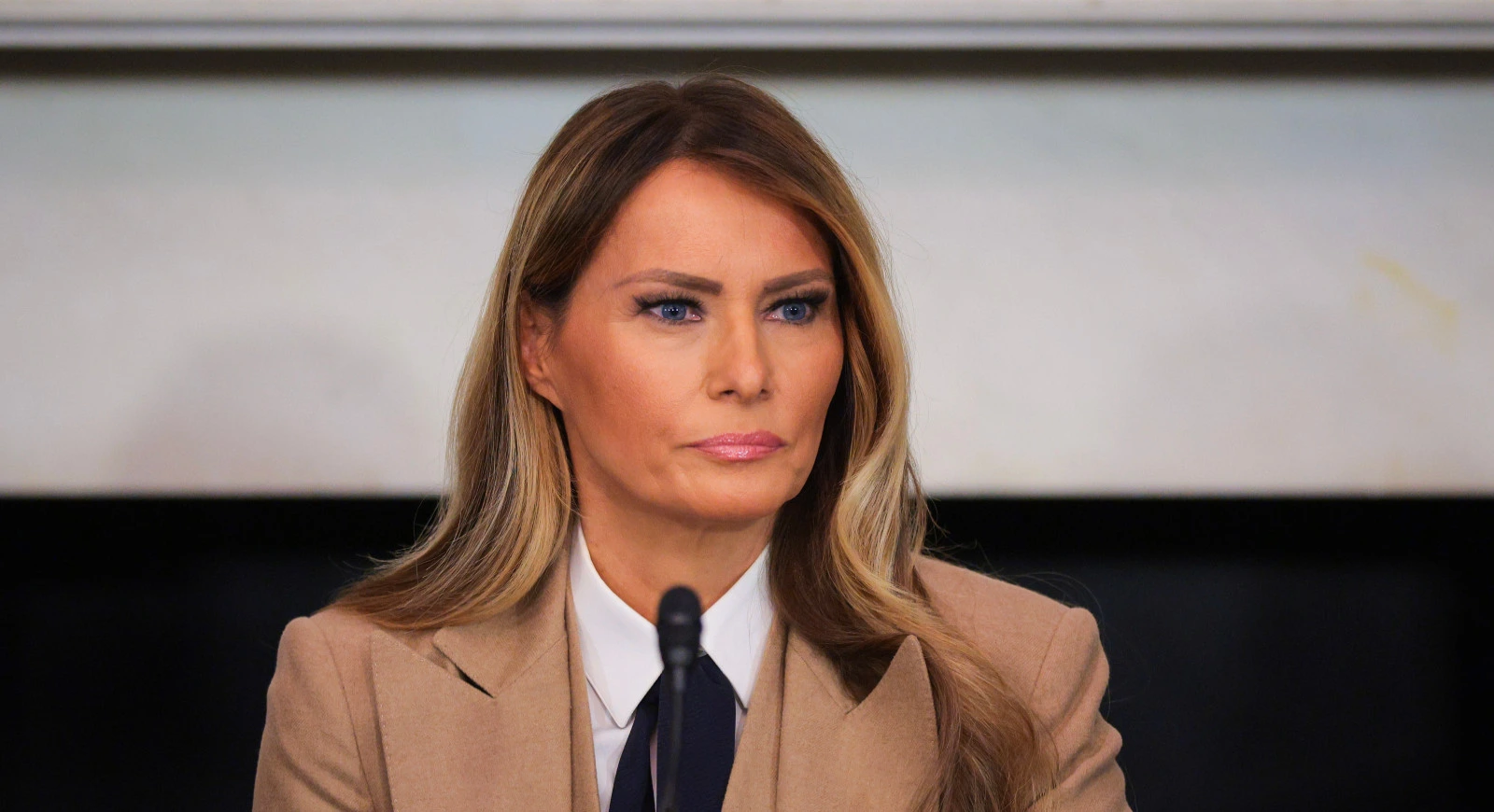
Wolff also contended in court filings that Trump and the President have “made a practice of threatening those who speak against them” with costly legal action “to silence their speech, to intimidate their critics generally, and to extract unjustified payments.” He framed his lawsuit as a defense against what he characterized as a pattern of legal intimidation.
The dispute centers on statements Wolff made regarding Trump’s alleged “behind the scenes” involvement in handling Epstein-related matters at the White House. The Daily Beast retracted an article last summer based on Wolff’s remarks after receiving a legal letter from Brito. In the original interview, Wolff said Trump was aware of the situation but was not involved in criminal activity.
What This Means
The ruling allows Trump’s defamation claim to proceed without the complication of Wolff’s preemptive federal filing. Defamation cases in New York require demonstrating that a statement was false, caused reputational harm, and was made with a degree of fault. Trump’s legal team has indicated she incurred both reputational and financial damage from the Epstein linkage.
Melania Trump issued a public statement in April denying any association with Epstein, who died in jail in 2019 while facing child sex trafficking charges. “The lies linking me with the disgraceful Jeffrey Epstein need to end today,” she said, adding that those spreading the claims “are devoid of ethical standards, humility, and respect.” She called on Congress to take legislative action against the spread of false intimate images and to create avenues for victims to testify under oath.
The case now enters the phase where Trump’s legal team must pursue her $1 billion claim through standard state court procedures, potentially involving discovery, depositions, and a trial. How state courts evaluate Wolff’s asserted defenses—including claims of protected opinion and context stripping—will determine whether the suit proceeds to litigation or settles.



