Republicans recorded a significant early-vote advantage in Ohio’s Senate race as of mid-October, with election modeling showing a substantial GOP edge in ballots cast before Election Day.
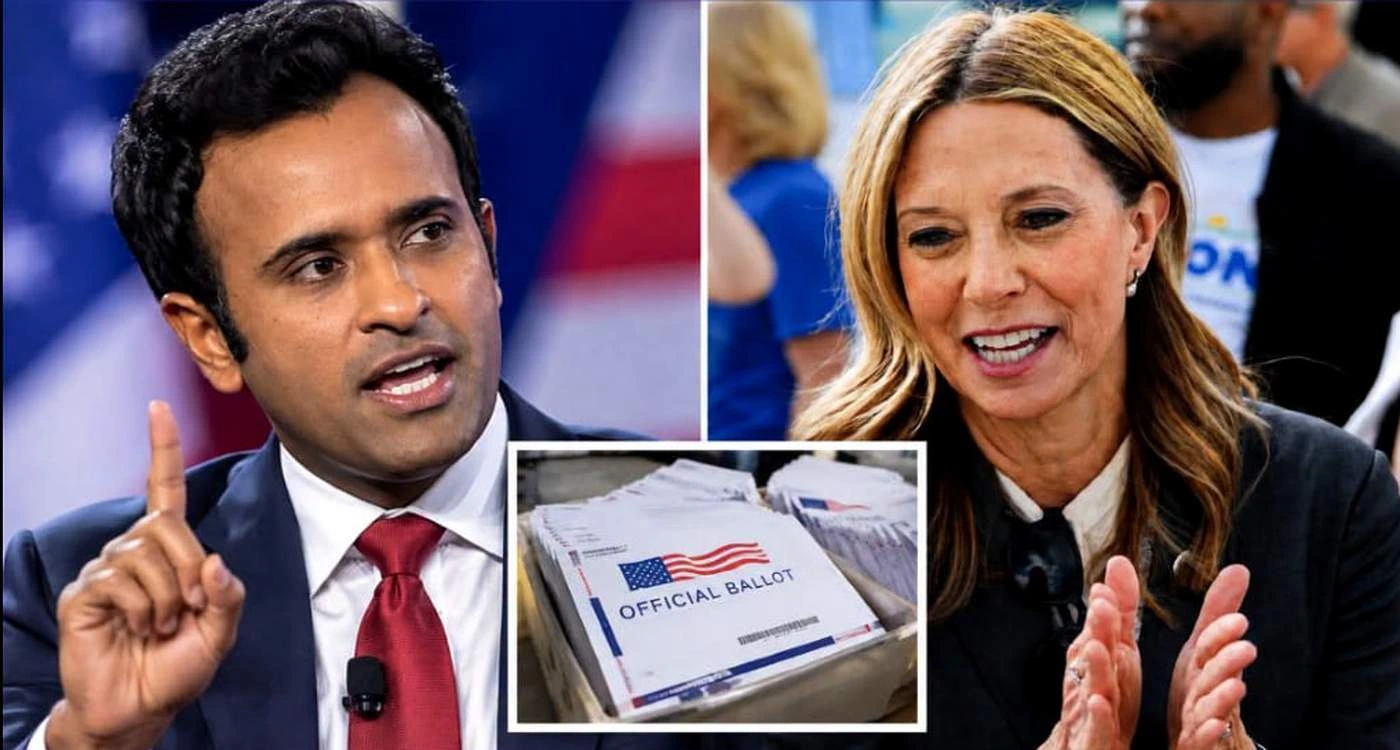
Election analyst E_DataGuy released modeling data Thursday showing 377,804 early and mail ballots cast in Ohio by October 15. The analysis assigned 214,463 votes to Republicans, 159,810 to Democrats, and 1,850 to other categories, producing a modeled Republican advantage of 54,653 votes.
The modeling projected Republican early-vote strength between 53 and 59 percent, compared with a Democratic range of 40 to 46 percent. A 55 percent final turnout estimate accompanied the analysis, though the underlying methodology was not detailed in the released data.
What Happened
The early-vote modeling offered a potential signal for Republicans defending Ohio’s Senate seat currently held by Jon Husted. Husted faces former Democratic Senator Sherrod Brown, who lost his previous reelection bid in 2024.
Ohio has moved Republican in recent statewide elections, providing Husted with an established political advantage entering the race. The early-vote model suggested that advantage was translating into participation patterns, though early ballots cast do not reveal how individual voters actually marked their ballots.
Secret ballots cannot be reliably assigned to candidates based solely on participation records or demographic modeling. Election officials verify only that ballots were cast, not their contents, meaning the GOP advantage represents a projection rather than confirmed vote counts.
The Reaction
The modeling gave Republicans reason for optimism heading into the final weeks of campaigning. An extraordinary financial advantage provided additional grounds for confidence about Republican prospects nationwide.
Republican political organizations held cash reserves approaching one billion dollars during the election cycle, according to recent political finance reviews. The National Republican Congressional Committee reported 89 million dollars in cash following August fundraising, exceeding Democratic Congressional Campaign Committee reserves by 13.5 million dollars.
The NRCC also announced a record 36.8 million dollar fundraising dinner featuring President Trump, demonstrating continued ability to mobilize major donors. Reuters identified a 222 million dollar Republican cash advantage across multiple organizations supporting GOP Senate and House candidates, with total Republican fundraising above 1.1 billion dollars compared with approximately 600 million for Democrats.
Brown has demonstrated his own fundraising strength, preventing Republicans from assuming an uncontested financial advantage in Ohio specifically. Outside spending could nevertheless reinforce Husted’s campaign as both parties invest heavily in the competitive race.
What This Means
The early-vote advantage and financial edge provide Republicans with multiple tools for the campaign’s final phase. A sustained participation advantage could reduce the burden on Election Day operations in heavily conservative areas while potentially forcing Democrats to redirect resources toward turnout in their strongest urban constituencies.
For Husted, the central opportunity lies in combining Ohio’s recent Republican voting trends with a well-funded closing campaign. For national Republicans, the same formula offers a promising route toward limiting Democratic gains in Congress as political conditions remain challenging for the governing party.
The Ohio early-vote model’s Republican advantage is encouraging, but November’s certified results will ultimately determine whether that optimism was justified. The modeling captures only one moment in time and does not account for late-breaking developments or shifts in voter preferences during the final campaign period.



