Secretary of State Marco Rubio revealed during a podcast interview that he and other senior officials aboard Air Force One spent approximately 90 minutes uncertain whether a passenger sleeping in a conference room was experiencing a life-threatening medical emergency during a return flight from China.
Rubio recounted the episode while appearing on the Katie Miller Podcast, describing a moment of genuine confusion that unfolded as officials grappled with whether to wake an unresponsive individual or summon medical assistance. The incident provided an unusual window into the kinds of logistical dilemmas that can arise during high-level government travel.
What Happened
Rubio said the group noticed the person resting motionless in a conference room while the aircraft was in flight. Despite the activity and ambient noise that typically filled the presidential plane, the individual showed virtually no response to the surrounding environment.
The lack of reaction created an immediate practical problem for the officials present. “If they were dead, like what do you do?” Rubio recalled thinking at the time. The question reflected genuine uncertainty: they could not visually confirm whether the person was simply in an unusually deep sleep or experiencing something far more serious.
Rubio noted that what intensified their concern was the individual’s apparent breathing pattern, which seemed irregular to him and those observing. The officials continued watching and deliberating for roughly 90 minutes without initially waking the person or requesting medical intervention, according to his account.
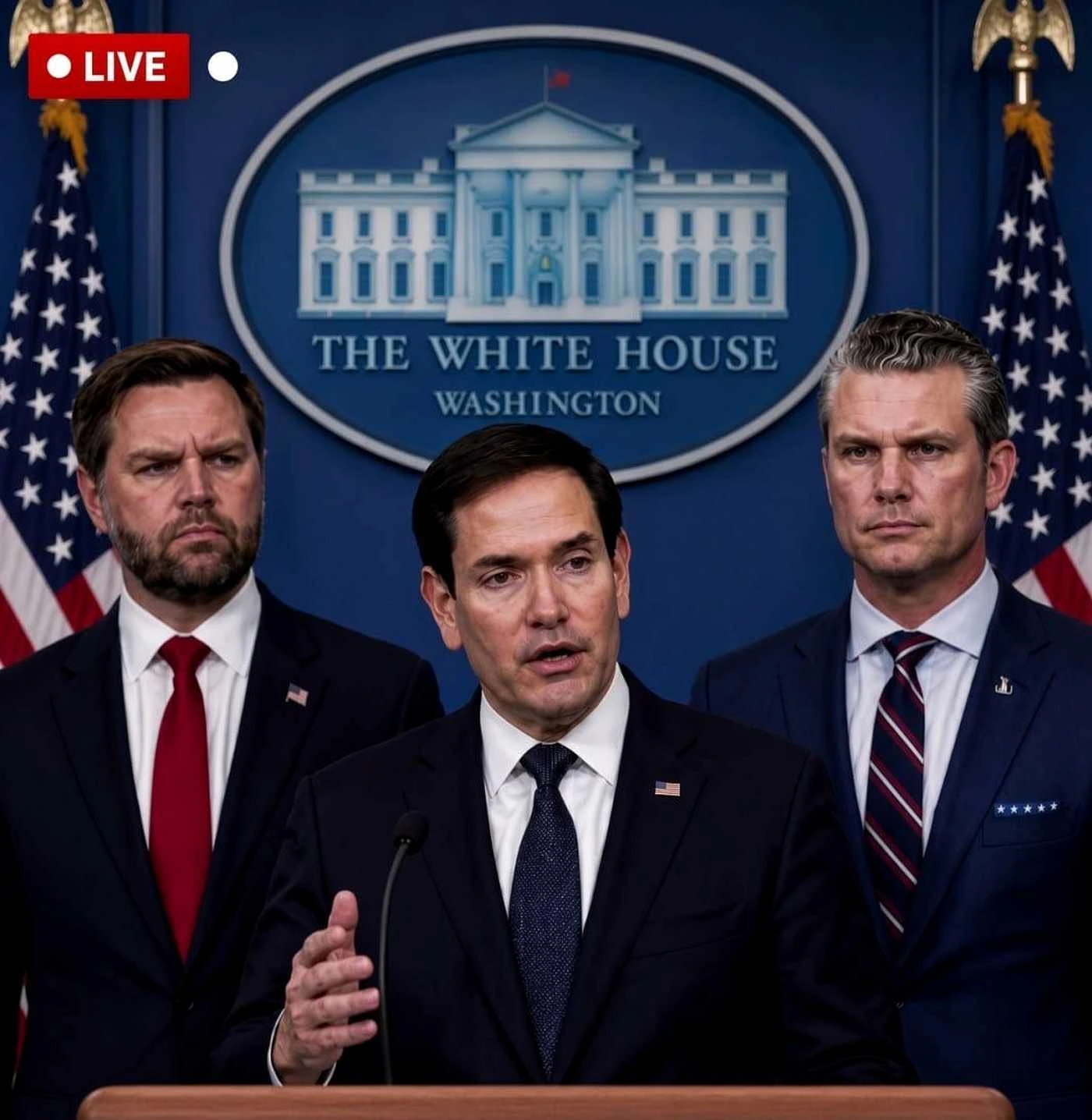
The Reaction
Despite the mounting unease, officials chose not to immediately summon the physician typically available aboard Air Force One. Instead, they weighed whether interrupting the person’s sleep posed a greater risk than allowing the situation to continue unchanged.
“Luckily, the person was fine,” Rubio said, confirming that the individual eventually moved or woke without incident or requiring emergency care. He did not identify who was sleeping, and no independent verification of the episode has emerged.
Rubio’s story drew additional attention given his previous public testimony about sleep-related matters aboard official aircraft. During a House Foreign Affairs Committee hearing, Democratic Representative Ted Lieu questioned Rubio about whether he had observed President Donald Trump falling asleep during a meeting, a claim Rubio denied. Lieu later referenced video he said showed the president with his eyes closed while Rubio was speaking, but Rubio maintained he had no personal knowledge of Trump sleeping at any official gathering.
What This Means
The Air Force One incident offers a relatively uncommon public account of the types of unexpected situations that officials manage during high-stakes government travel. Unlike the earlier controversy surrounding sleep at Cabinet meetings, Rubio’s account centered on a straightforward medical concern that officials could not easily resolve in the moment.
The episode highlights the complexity of decision-making in confined, high-security environments where immediate access to outside assistance is limited and the stakes of both action and inaction feel significant. For Rubio and his colleagues, what started as an awkward question evolved into a prolonged stretch of genuine uncertainty—one that ultimately resolved without incident, leaving only an unusual story behind.



