Connecticut Sen. Chris Murphy, 53, will miss several weeks of Senate votes after suffering a small hemorrhagic stroke at his son’s hockey game, leaving Democrats with a narrower margin as the chamber returns to legislative business Monday.
Murphy left Johns Hopkins Hospital on Friday after nearly a week of treatment and will continue his recovery at a rehabilitation center. The absence arrives as the Senate reconvenes following the midterm elections, potentially affecting closely divided votes on nominations and legislation.
What Happened
Murphy experienced arm numbness during his son’s hockey game and immediately called 911. Medical staff at a local hospital initially treated him before he was transferred to Johns Hopkins for specialized care and monitoring.
Doctors identified a small bleed in the thalamus region of his brain, classifying the episode as a small hemorrhagic stroke. Dr. Jose Suarez, chief of neurosciences critical care at Johns Hopkins, said Murphy had made substantial progress and was expected to achieve full recovery if his improvement trajectory continued.
“The doctors are very encouraged by the progress I’ve made so far,” Murphy said in a statement. He selected several weeks of rehabilitation to maximize his chances of returning to work promptly and has committed to remaining engaged with his office and Senate colleagues remotely during recovery.
The Reaction
Murphy’s office announced his absence Friday as he prepared to leave the hospital. His chief of staff, Allison Herwitt, initially disclosed the stroke on November 1, the day after Murphy was hospitalized, and provided regular updates on his condition and treatment progress.
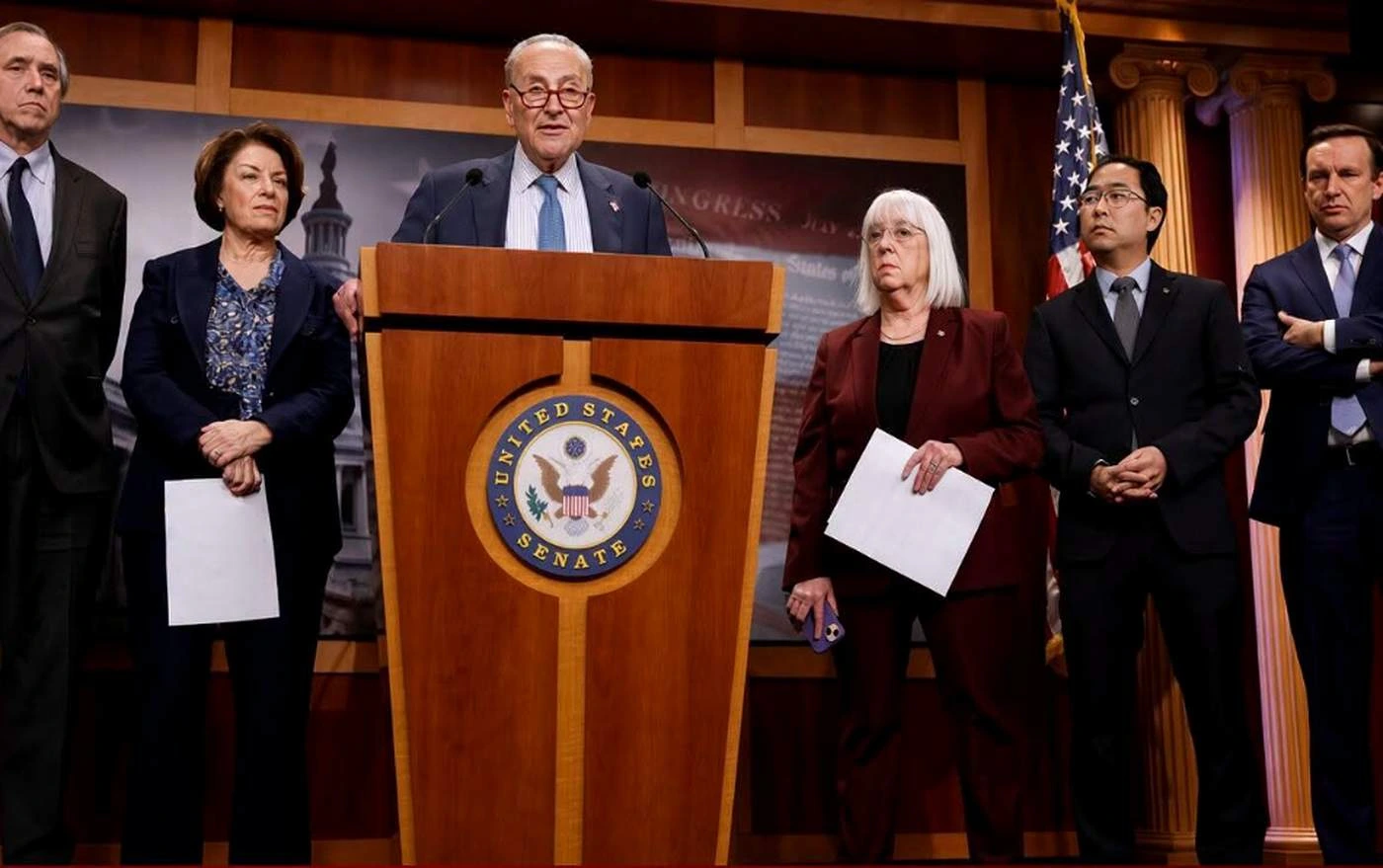
Murphy thanked Johns Hopkins medical staff and acknowledged the toll the experience had taken on his family. He emphasized that his office would continue serving Connecticut constituents and advancing legislative priorities during his rehabilitation period.
What This Means
The Democratic caucus currently holds 47 seats in the Senate, including 45 registered Democrats and two independents who align with them. With Murphy absent, that number drops to 46 available senators, potentially complicating Democratic positioning on closely divided votes.
Republicans currently hold 53 seats. On most legislation and amendments, a simple majority determines passage. On contested nominations, a single absence or defection can reshape the political dynamics of a vote, particularly when attendance and alignment are uncertain.
Ending debate on most bills requires 60 votes in a full Senate. Murphy’s absence does not alter that threshold, but his unavailability may affect Democratic flexibility if the chamber faces evenly split votes where the vice president might cast a deciding ballot.
Murphy entered his third Senate term in January 2025 after winning reelection and serves on the Appropriations, Foreign Relations, and Health, Education, Labor and Pensions committees. His recovery timeline remains open-ended, though medical staff have indicated a positive prognosis if improvement continues at its current pace.



