Former House Speaker Nancy Pelosi spent four days in late August at Italy’s Villa d’Este, a luxury resort on Lake Como where nightly rates often surpass $3,000, according to reporting that has renewed questions about the Democrat’s estimated $260 million fortune and the origins of her wealth.
Pelosi, now 85, was documented on the grounds of the exclusive property between August 25 and August 28. The California lawmaker, who served as House speaker from 2007 to 2011 and again from 2019 to 2023, currently holds the title of Speaker Emerita following Democratic losses in the 2022 midterm elections.
What Happened
Video documentation showed Pelosi at the resort during the late summer period. The Villa d’Este, situated on one of northern Italy’s most prestigious destinations, has been characterized as among the continent’s most opulent properties, with amenities and rates that cater to high-net-worth clientele.
The stay coincided with Congress’s August recess period. Pelosi has indicated plans to seek reelection in 2026, though she faces a primary challenge from Saikat Chakrabarti, a progressive organizer and former aide to Representative Alexandria Ocasio-Cortez of New York.
The Reaction
The villa visit placed a spotlight on Pelosi’s accumulated wealth, which has long drawn political scrutiny. Much of the focus has centered on her husband, venture capitalist Paul Pelosi, whose stock transactions have generated recurring questions about timing and access to information.
In July, Pelosi confronted questions about her family’s finances during a CNN interview. When presented with allegations that she had benefited from inside information, she expressed frustration with the line of questioning. “That’s ridiculous,” Pelosi said, characterizing her husband’s investment decisions as independent of her congressional position. “I have no concern about the obvious investments that have been made over time. I’m not into it. My husband is, but it isn’t anything to do with anything insider.”
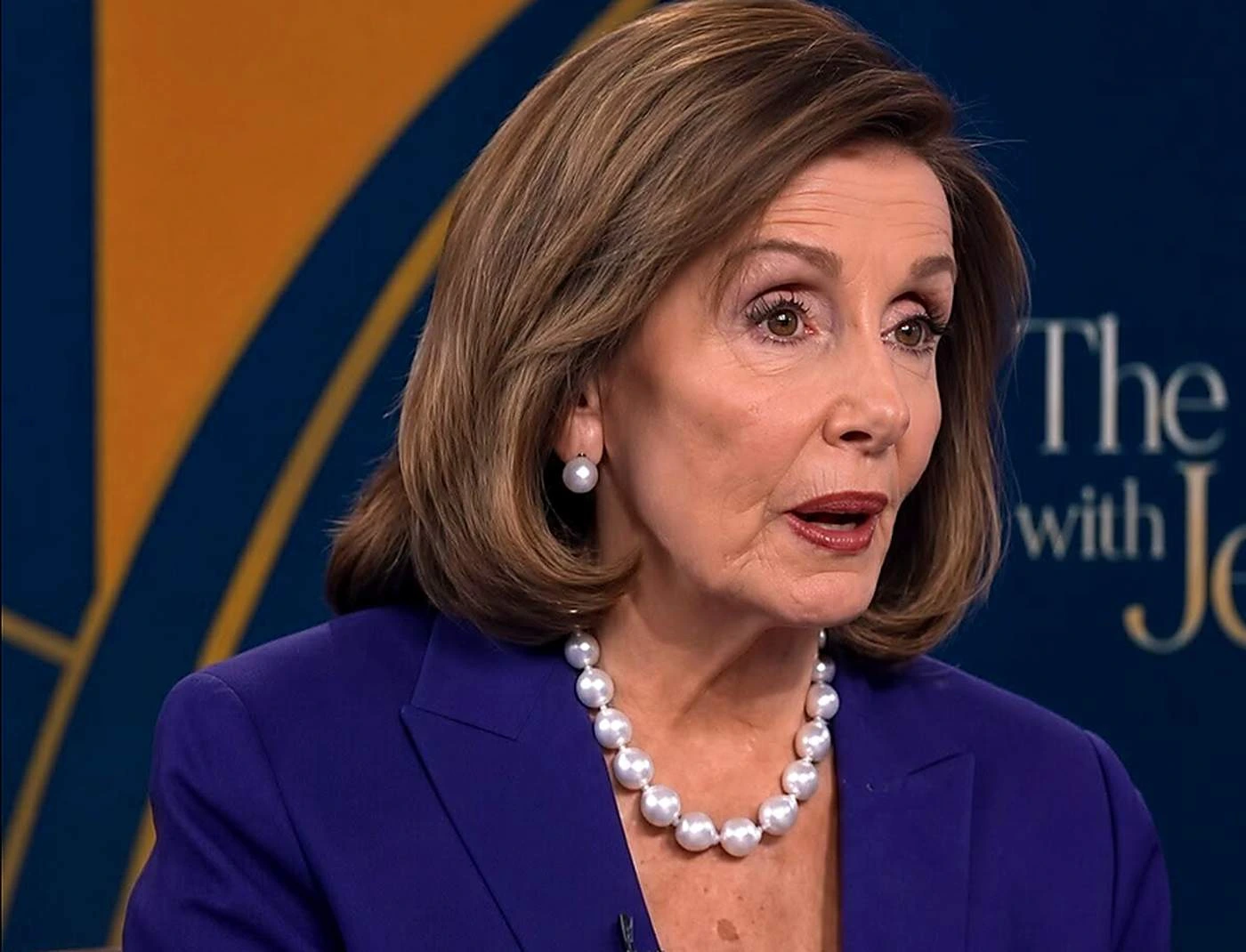
Pelosi noted her support for legislation restricting congressional stock trading, even while maintaining that such restrictions address a perception problem rather than actual wrongdoing. “I very much support the efforts to stop the trading of members of Congress. Not that I think anybody is doing anything wrong. If they are, they are prosecuted, and they go to jail. But because of the confidence it instills in the American people, don’t worry about this.”
Historical examples cited by critics include Paul Pelosi’s sale of $500,000 in Visa stock before the government initiated antitrust proceedings against the company, and his divestment of 5,000 Microsoft shares shortly before a Federal Trade Commission investigation. The Pelosis have consistently denied that such transactions resulted from nonpublic information.
What This Means
The Lake Como vacation placed Pelosi among other prominent Democratic figures using the Italian destination. Governor Wes Moore of Maryland, viewed by some analysts as a potential 2028 presidential contender, was separately photographed at Lake Como vacationing aboard a yacht owned by actor George Clooney, who maintains a residence in the region and has been a significant Democratic fundraiser and supporter.
Congressional stock trading remains an active legislative concern. The Preventing Elected Leaders from Owning Securities and Investments Act, championed by Senator Josh Hawley of Missouri, advanced through committee in July and would prohibit members of Congress, their spouses, and dependent children from trading individual stocks. The measure has garnered unusual bipartisan support, including backing from Ocasio-Cortez, a frequent Pelosi critic on other policy matters.
Questions about wealth accumulation among senior political figures continue to generate debate as voters consider broader issues of congressional ethics and financial transparency. The visibility of high-profile lawmakers at exclusive destinations, coupled with ongoing examination of investment practices, sustains public interest in how elected officials’ personal finances intersect with their governmental responsibilities.



