Republican Rep. Elise Stefanik, a loyal Trump ally in Congress, announced her withdrawal from New York’s gubernatorial race and resignation from her House seat after President Donald Trump declined to endorse her candidacy multiple times, reshaping the state’s political landscape ahead of the midterm elections.
Stefanik’s decision upends expectations in New York politics and signals shifting dynamics within the Republican Party as Trump maintains outsized influence over candidate selection. The New York representative had entered the race believing she held a strong position to challenge Democratic Governor Kathy Hochul.
What Happened
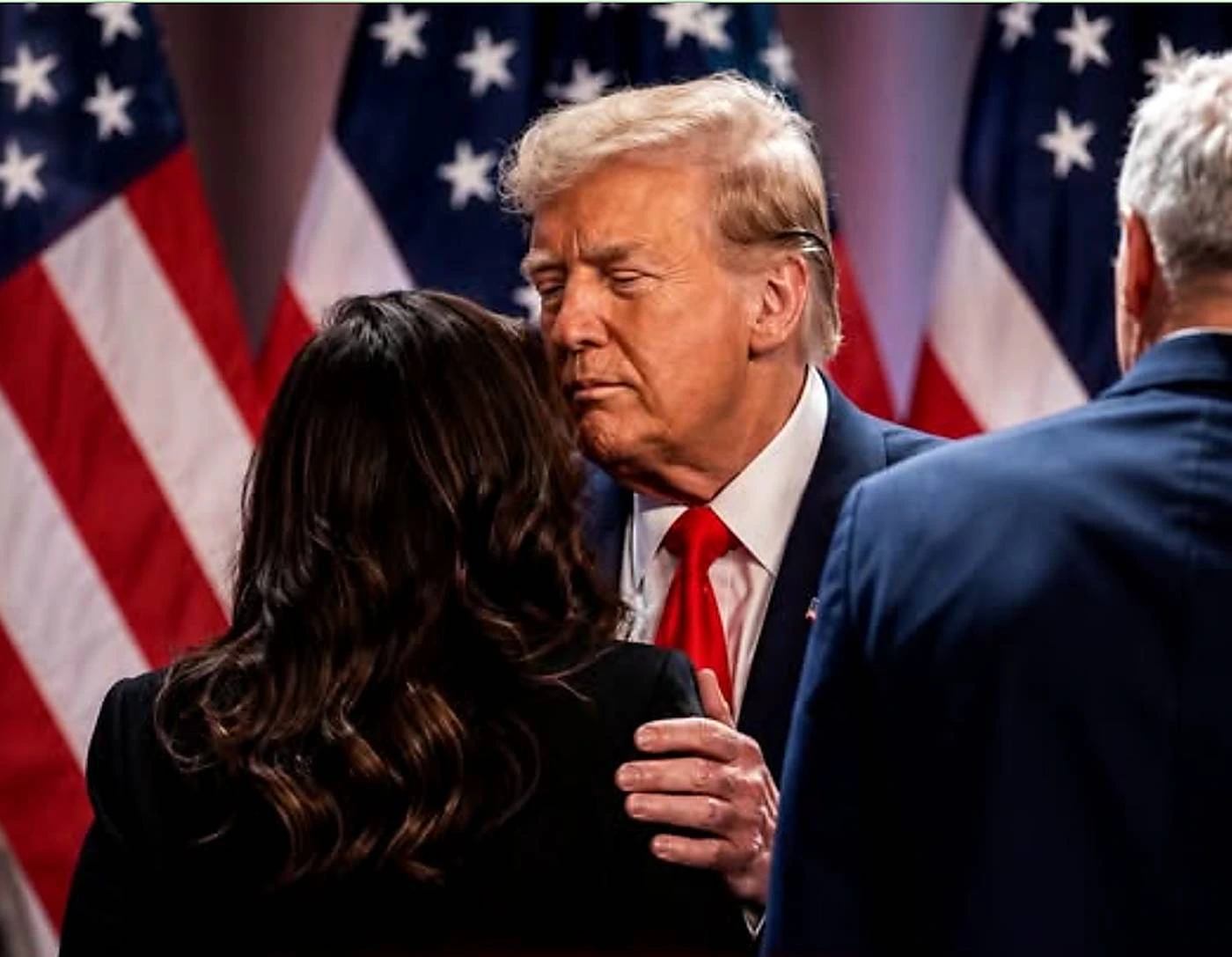
Stefanik announced her exit from both the gubernatorial campaign and Congress, ending weeks of speculation about her political future. According to a GOP source, Trump’s lack of support—despite three separate opportunities to endorse her, including during an Oval Office meeting—proved decisive in her calculations.
The landscape shifted further when Nassau County Executive Bruce Blakeman, a Trump ally, entered the Republican primary, threatening to divide GOP voters. “When you start to add these things up, it does not seem that you’re going to have the wind to your back in this cycle,” the source said, describing how the combination of Trump’s neutrality and a contested primary shaped Stefanik’s analysis.
Stefanik had built her congressional career as one of Trump’s most vocal defenders, standing by him during both impeachment proceedings and earning prominence among House Republicans. Her decision to step aside marks a significant pivot for someone widely regarded as a rising star within the party.
The Reaction
Stefanik issued a statement acknowledging her departure: “I am truly humbled and grateful for the historic and overwhelming support from Republicans, Conservatives, Independents, and Democrats all across the state.” The statement underscored her belief that stepping aside allowed her to pursue other opportunities rather than wage a costly primary battle.
Her exit reshapes the New York Republican primary and opens the field for other candidates to pursue the nomination. Party operatives will now focus on positioning alternative candidates against Hochul, who faces her own political headwinds entering the general election cycle.
What This Means
Stefanik’s departure illustrates how decisively Trump’s endorsement—or lack thereof—can influence Republican candidate calculations at all levels of politics. For those eyeing high office within the party, Trump’s explicit backing remains a sought-after asset that can reshape race viability and fundraising capacity.
The move also opens a House seat in upstate New York that could become competitive in November’s broader midterm environment. Whether Republicans retain the seat will depend on the strength of their nominated replacement and the district’s partisan composition.



