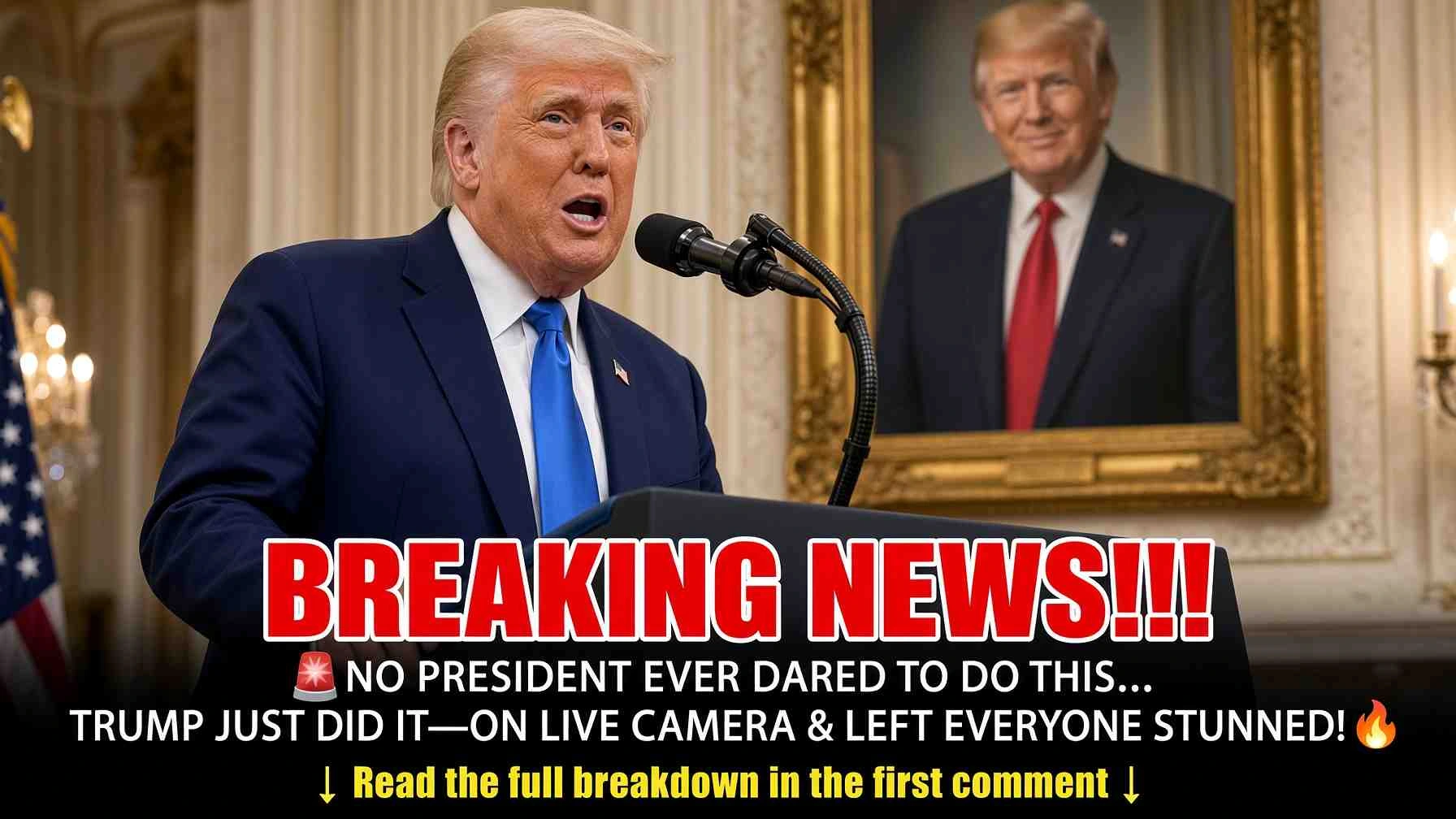
On live camera, a sitting U.S. president issued direct threats toward news organizations and individual journalists covering his administration, a departure from decades of political precedent that raises questions about the health of press freedom in American democracy.
The moment occurred before cameras and witnesses, making it impossible to dismiss as taken out of context or misunderstood through reporting layers. The president did not frame criticism as disagreement over coverage or factual disputes—a standard exchange in U.S. politics—but instead suggested consequences for journalistic work itself.
What Happened
The public remarks targeted news organizations and individual journalists by name, framing their editorial decisions and reporting as something other than protected speech. The language moved beyond traditional political complaint into what scholars of authoritarian governance describe as the prelude to institutional pressure—suggesting that rules might change, that access could be revoked, or that coverage itself could invite legal or regulatory consequences.
Legal experts and press freedom advocates noted that no modern U.S. president has so directly paired on-camera remarks with implied threats to news operations. Previous administrations have feuded with media outlets, withheld access, or used sharp rhetoric. This moment differed in its directness and its framing of journalism itself as potentially subject to presidential retaliation.
The Reaction
News organizations and press freedom groups issued joint statements emphasizing the constitutional protections that underpin independent journalism. The First Amendment, they noted, explicitly protects press freedom from government interference—a principle tested throughout American history but never successfully overturned by executive power alone.
Newsroom leaders from competing outlets coordinated messaging, a rare alignment that underscored how broadly the threat was perceived across the industry. “When a president hints the rules will change, the press must answer with clarity,” one statement said. Smaller local outlets, often caught between economic pressure and political pressure, joined national news organizations in affirming that editorial independence cannot be negotiated or surrendered in exchange for access.
What This Means
The incident forces a reckoning about how institutional safeguards function when challenged directly by the executive branch. Courts remain the final arbiter of constitutional questions, but the damage of protracted legal battles—and the chilling effect of public threats on everyday newsroom decisions—can accumulate faster than litigation proceeds.
Scholars studying democratic backsliding point to press intimidation as a common early stage in institutional erosion. It typically begins with rhetoric that tests boundaries, measuring public reaction and institutional resistance. If challenges go unanswered or are normalized, they escalate.
The path forward for journalism appears to rest on two pillars: rigorous public explanation of why press freedom matters to democratic function, and industry-wide solidarity that refuses to treat threats as routine political theater. The Constitution provides the legal framework. Newsroom courage and coordination determine whether that framework holds.