Texas Governor-elect Gina Hinojosa, a Democratic state representative from Austin who defeated three-term Republican incumbent Greg Abbott in Tuesday’s election, has declined to commit to preserving the state’s $11 billion Operation Lone Star border-security program.
Hinojosa’s victory marks the first Democratic governor elected in Texas since Ann Richards in 1990. Her win immediately raises uncertainty about the future direction of Abbott’s signature border initiative, which has positioned Texas as a leading state partner in federal immigration enforcement efforts since its 2021 launch during the Biden administration.
What Happened
Operation Lone Star has deployed more than 10,000 National Guard members and funded construction of sections of barrier along the Texas-Mexico border. Hinojosa voted against the program’s initial funding and has criticized Abbott’s approach to border security, yet she has stopped short of pledging to dismantle the entire operation after taking office in January.
In recent statements, Hinojosa has emphasized fiscal responsibility and questioned how border funding is being spent. “As governor, I’ll put in the work to secure the border, not waste working Texans’ money on political theater,” she said. When asked about specific spending cuts, Hinojosa noted that billions have been allocated to prosecuting migrants for trespassing while also financing their legal defense costs.
Hinojosa has drawn clear lines on certain aspects of border policy. She has opposed additional border-wall construction in the Big Bend region, arguing that barriers are unnecessary in that area. She has also criticized Immigration and Customs Enforcement operations and Texas cooperation with certain federal immigration programs, accusing Abbott of turning the state into a “staging ground” for enforcement actions that she said harmed families.
The Reaction
Hinojosa’s statements leave open the possibility that portions of Operation Lone Star could continue under new management while other components are redirected or eliminated. Her position on immigration has revealed complexities that extend beyond her criticism of Abbott’s approach. She has publicly acknowledged that Trump administration immigration policies have contributed to reduced illegal border crossings, creating a more nuanced stance than her opposition rhetoric alone suggests.
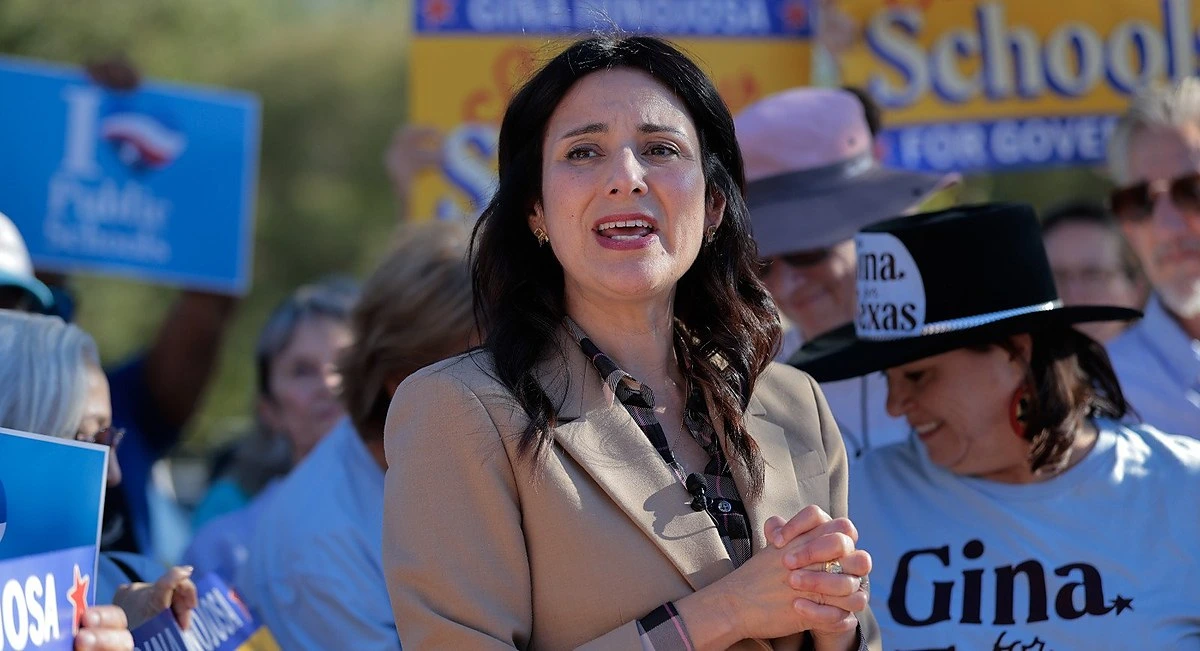
Hinojosa pointed to a previous success involving international coordination, citing an instance when she contacted Biden administration officials regarding a bridge closure, leading to negotiations with Mexican authorities. She has argued that cooperation with Mexico and federal agencies can produce better results than state-directed enforcement efforts operating independently.
The changing conditions at the southern border may provide flexibility as Hinojosa determines which portions of Operation Lone Star warrant continuation. During the Biden administration, border encounters repeatedly reached record levels, but crossings have declined under current federal policies.
What This Means
Hinojosa’s election signals a potential shift in how Texas engages with federal immigration enforcement. Abbott emerged as one of the nation’s most aggressive Republican governors on border issues during Biden’s presidency, deploying state personnel, installing razor wire, constructing barriers, and transporting migrants to cities across the country. A Democratic governor may be less willing to provide the same level of state resources for these operations.
The implications are particularly significant given that Texas shares approximately 1,250 miles of international border with Mexico—more than any other state. Republican control of the Texas Senate, however, may constrain portions of Hinojosa’s legislative agenda and require negotiations over future border appropriations. Operation Lone Star’s ultimate fate will depend on those budget discussions and executive decisions made after she takes office.
Immigration enforcement decisions could shape some of Hinojosa’s earliest actions as governor. The governor-elect focused her campaign on affordability, public education, and reducing corporate influence in state government, yet border policy will likely present both immediate choices and long-term budget implications for her administration.



