Unverified social media posts claimed Wednesday that former President Donald Trump had been shot in Washington, D.C., but no credible news organizations, federal agencies, or official statements have confirmed any such incident.
The viral claims began spreading across social platforms within hours, triggering widespread speculation and concern among supporters and detractors alike. No Secret Service statement, hospital report, or federal authority has corroborated the allegations as of Wednesday evening.
What Happened
Posts originating from unverified accounts and private social media groups claimed Trump had been shot in the nation’s capital. The claims spread rapidly across multiple platforms, accompanied by dramatic language designed to provoke fear and engagement rather than convey verified information. Within hours, major U.S. and international news outlets—which typically confirm or deny incidents of this magnitude within minutes—had reported nothing supporting the allegations.
Tracing back to their origins, many of the viral posts relied on recycled imagery, misleading captions, and language common to click-driven content strategies. Federal law enforcement agencies remained silent on any emergency or security incident involving Trump, a strong indication no verifiable incident occurred.
The Reaction
The claims sparked immediate concern across social networks, with users sharing posts and requesting updates from news organizations and government officials. The spread of unconfirmed information also prompted discussions about digital misinformation in real time, with some users attempting to fact-check claims as they circulated.
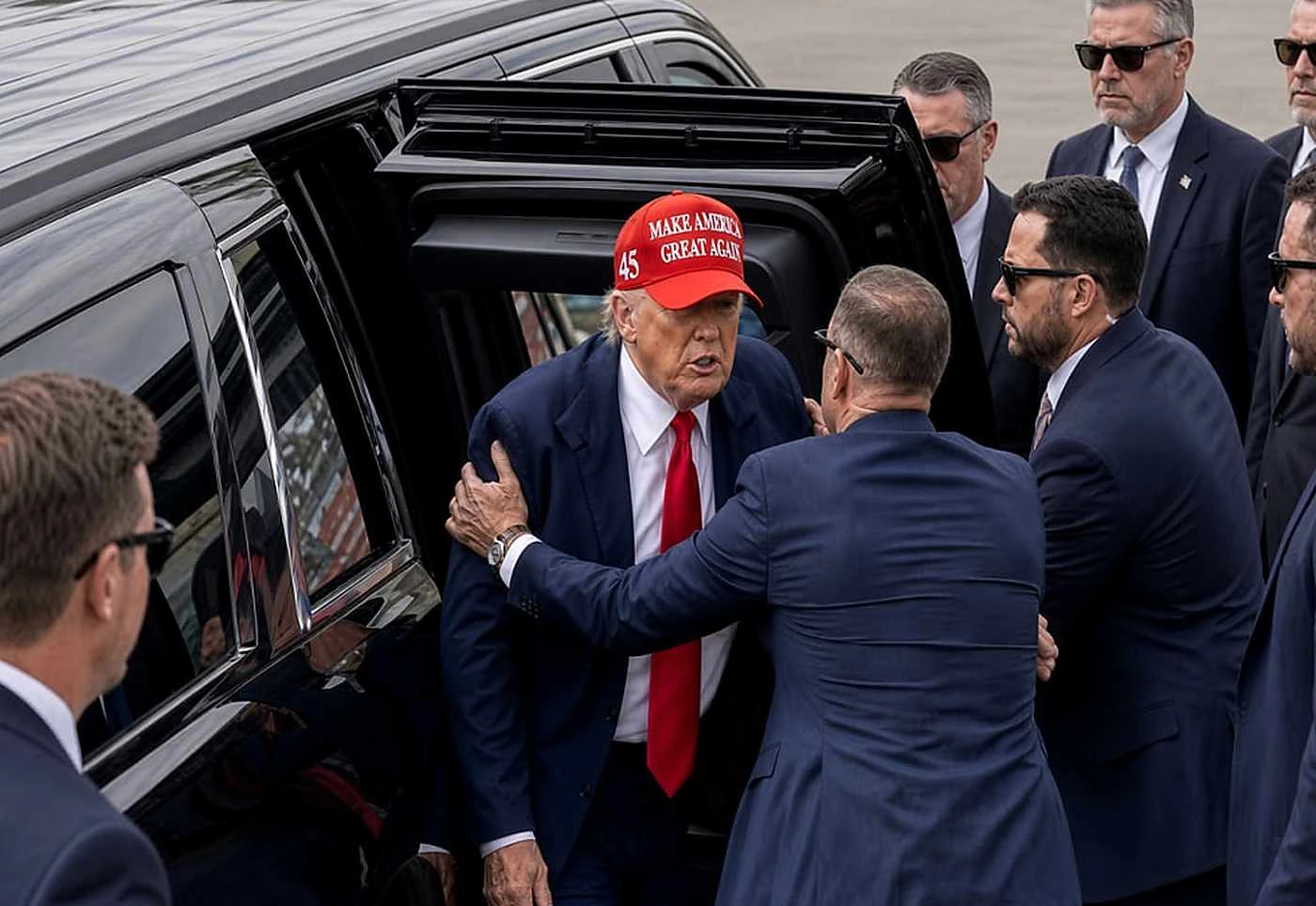
The incident reflects broader challenges in the current media environment, where false alarms travel faster than corrections. According to security analysts, high-profile political figures remain frequent subjects of misinformation, particularly during election cycles and periods of heightened national tension.
What This Means
The distinction between Wednesday’s unverified claims and documented security threats remains important for public understanding. Trump survived a confirmed assassination attempt in 2024 at a rally in Butler, Pennsylvania, which led to federal investigations, criminal charges, and elevated security protocols. That incident set a precedent for how such events are reported and verified, contrasting sharply with today’s baseless rumors.
Unverified claims about high-profile security incidents can strain emergency response systems, overwhelm law enforcement with inquiries, and erode public trust in legitimate news reporting. Officials across government and media continue to urge the public to rely on established news outlets and confirmed official statements for information involving national security or public safety.
The spread of such misinformation underscores the need for verification practices before sharing information online. In an era when a single unconfirmed post can reach millions of users within minutes, distinguishing between verified reporting and viral claims remains essential for both public safety and informed discourse.



